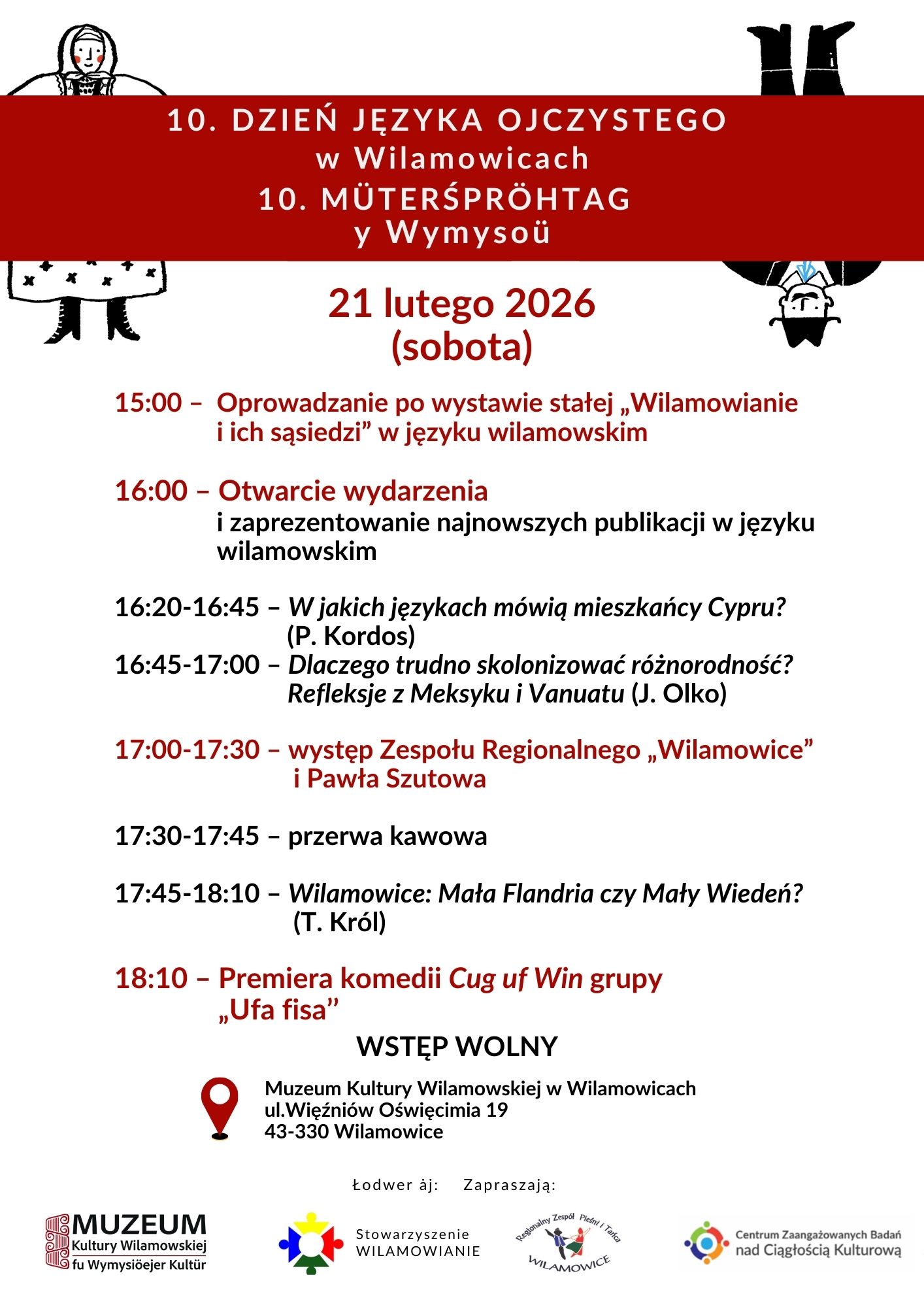
10. Dzień Języka Ojczystego w Wilamowicach, 21 lutego 2026
W imieniu społeczności wilamowskiej serdecznie zapraszamy na 10. Dzień Języka Ojczystego w Wilamowicach!

W imieniu społeczności wilamowskiej serdecznie zapraszamy na 10. Dzień Języka Ojczystego w Wilamowicach!

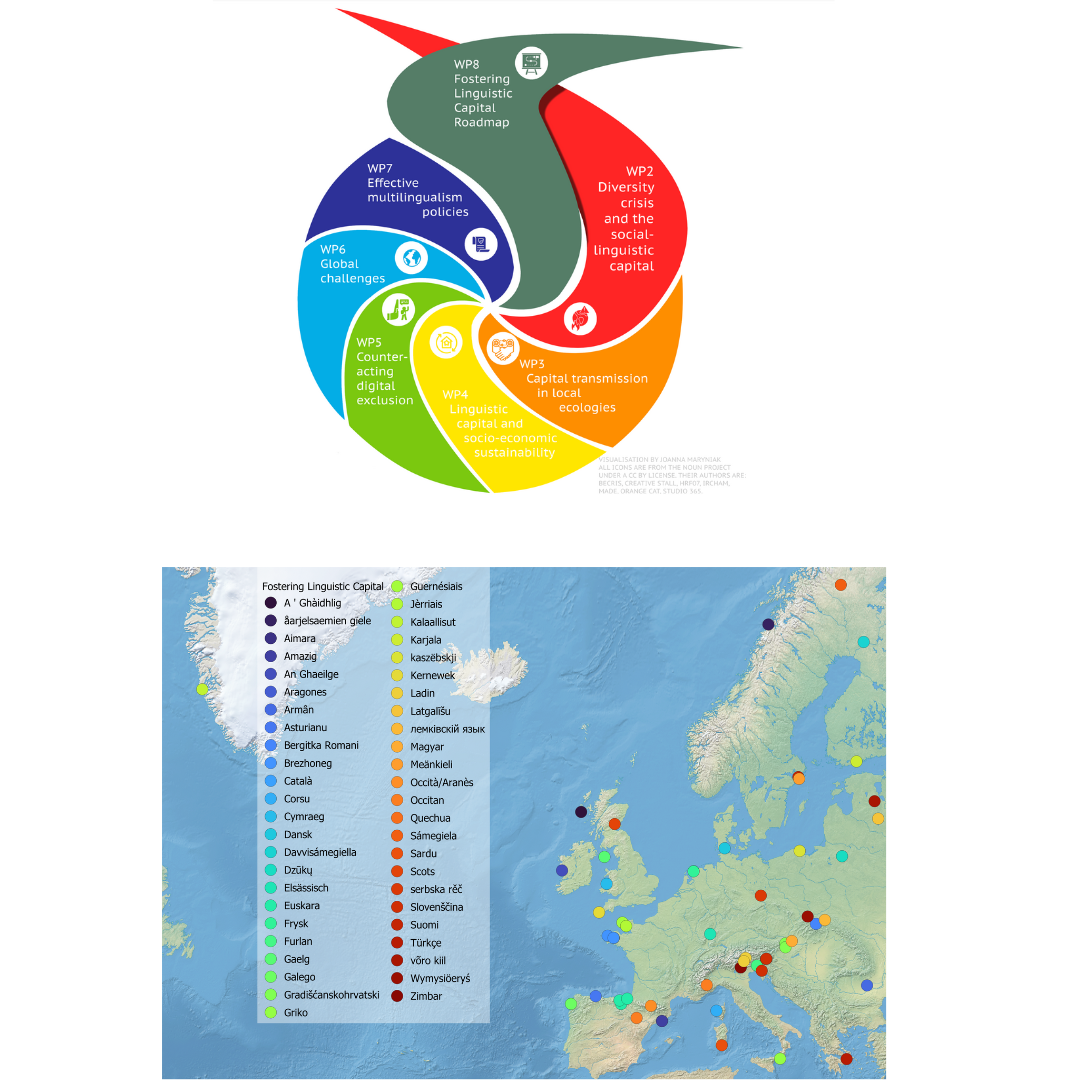
We have just inaugurated our Fosterlang project activities at the General Assembly of the European Language Equality Network with the
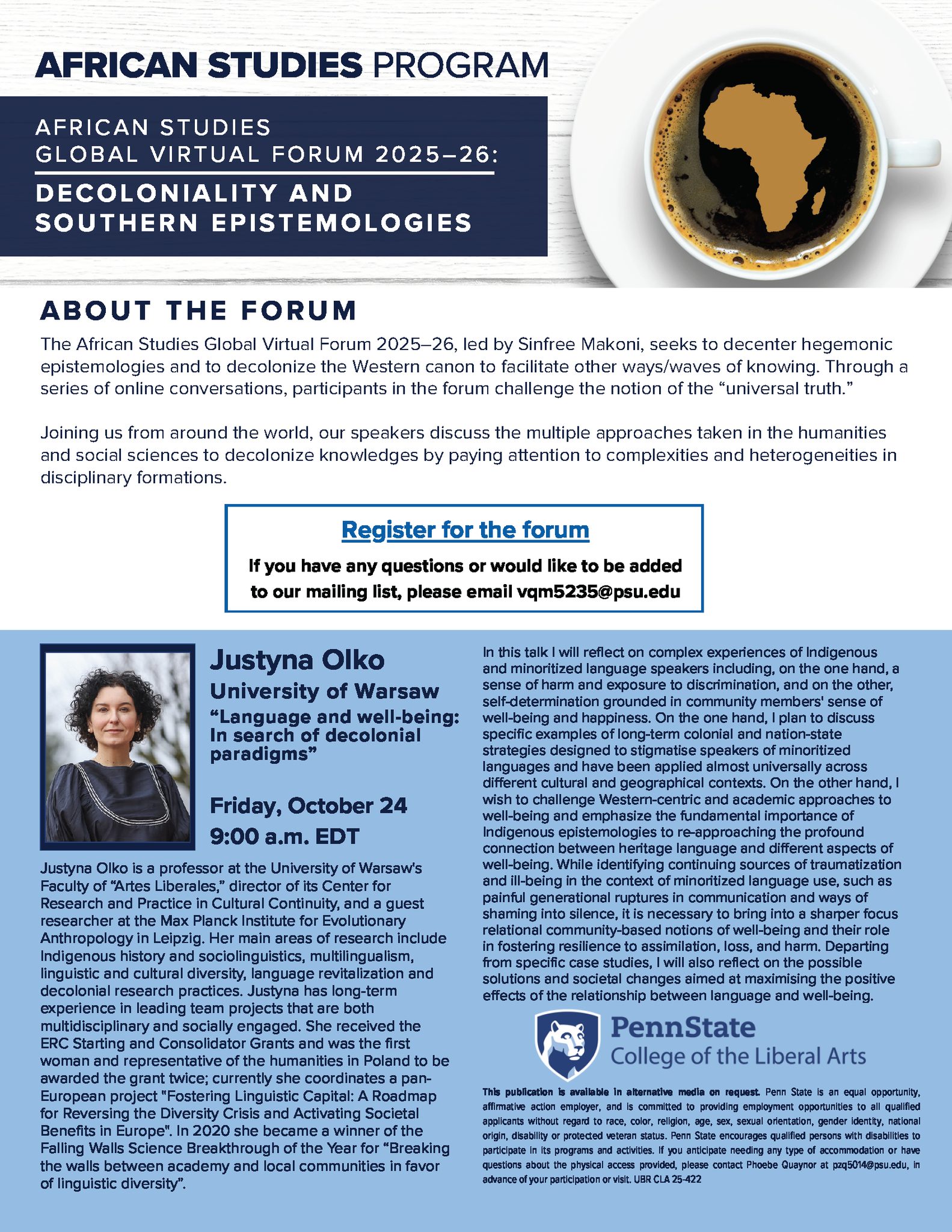
Justyna Olko will have an opportunity to share our team research on the relationships between speaking heritage languages and different
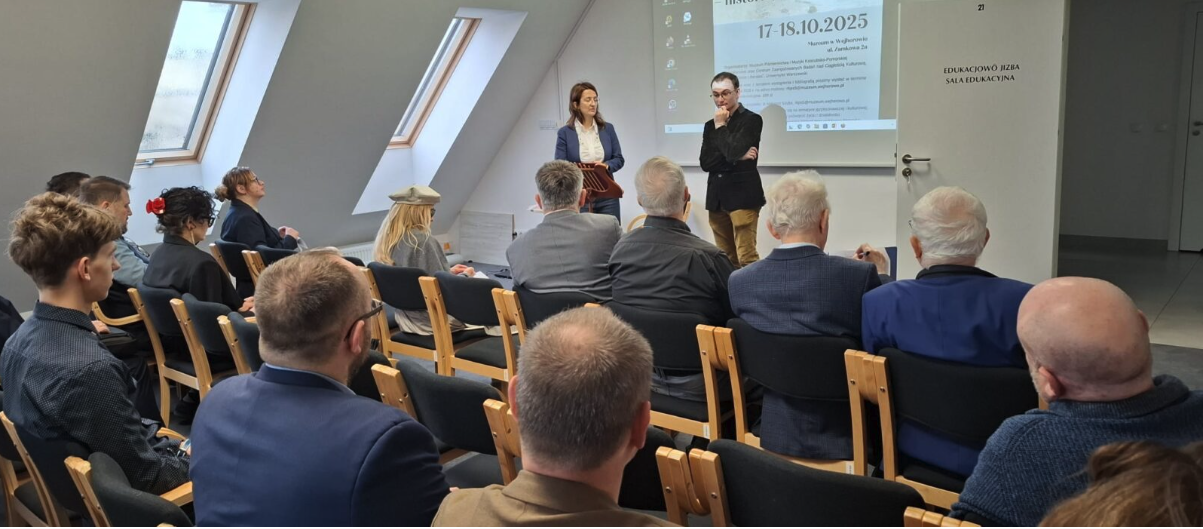
Prezentując wyniki badań dotyczących przekazu międzypokoleniowego i użycia języka kaszubskiego Justyna Olko, Bartłomiej Chromik, Artur Jabłoński i Brunon Ceszke z
Dołącz do lektoratu, który od podstaw nauczy Cię języka kaszubskiego i wprowadzi w świat kultury oraz literatury Kaszubów. Poznaj fascynującą
Zachęcamy do lektury relacji z inauguracji naszego projektu Fosterlang opublikowanej na stronie Uniwersytetu Warszawskiego: Inicjatywa na rzecz różnorodności językowej
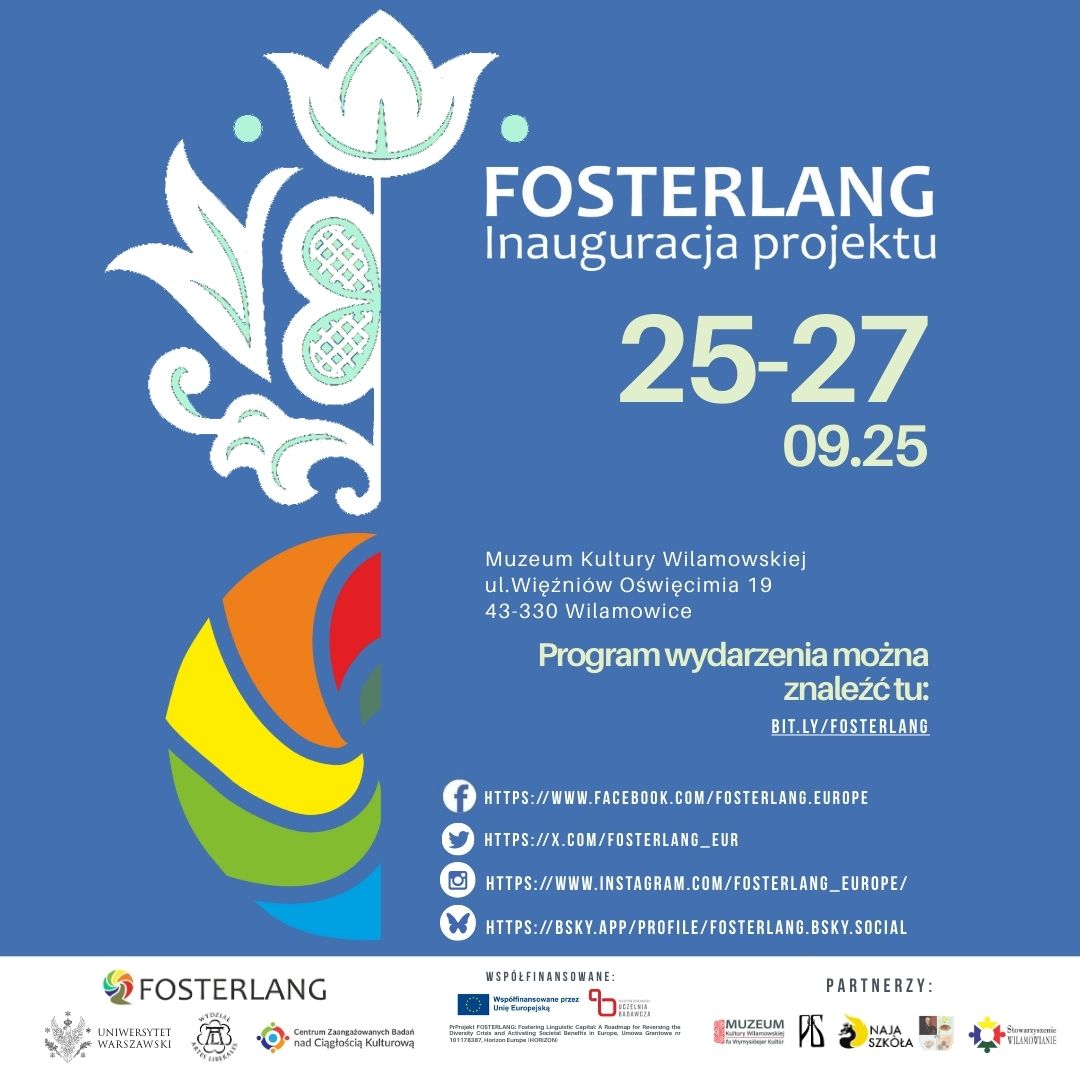
W dniach 25-27 września w Muzeum Kultury Wilamowskiej w Wilamowicach, społeczności, gdzie do dziś używany jest zagrożony język wymysiöeryś (wilamowski), odbędzie
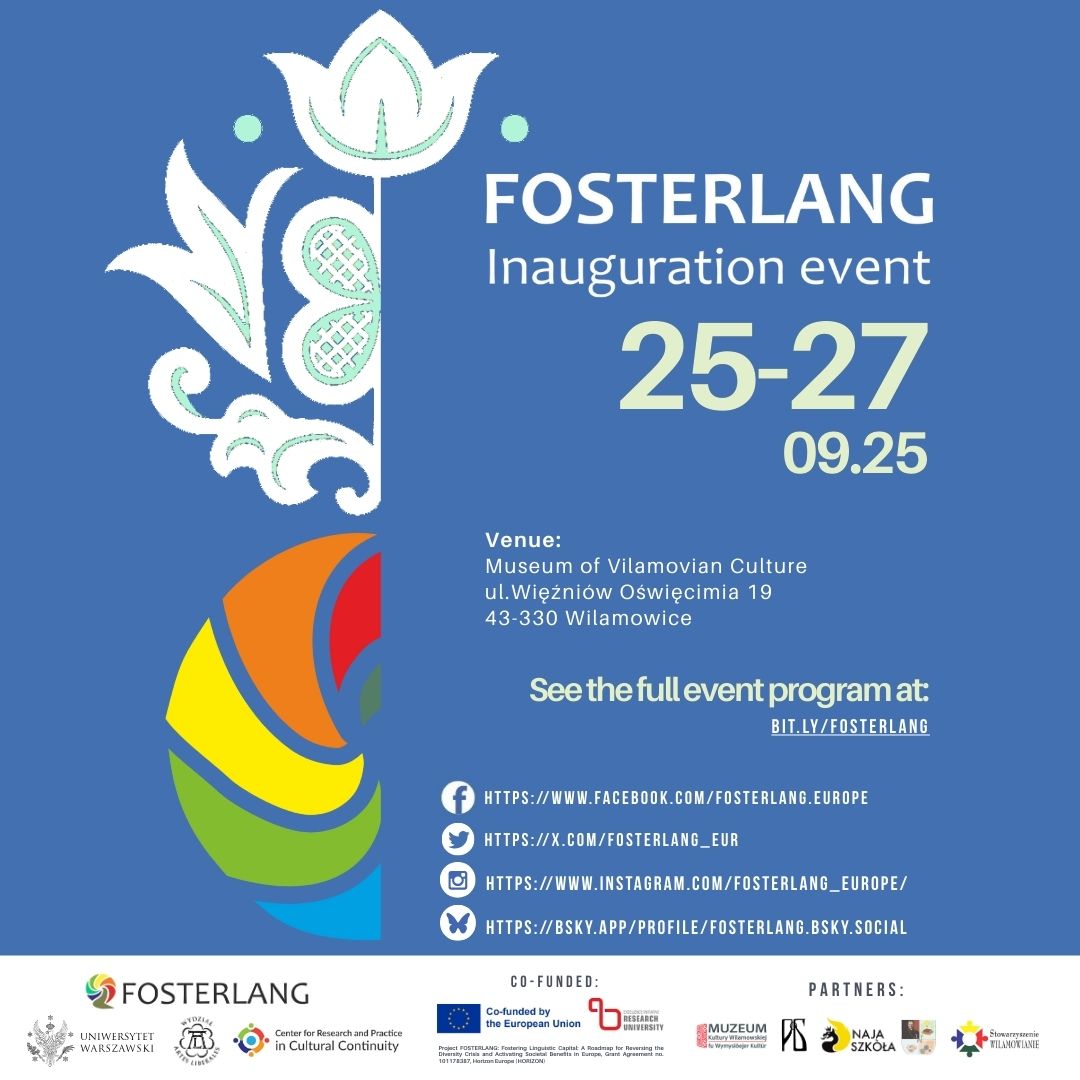
FOSTERLANG, the new EU-funded Horizon project aiming to boost European endangered and minoritised languages, will be holding its inaugural project
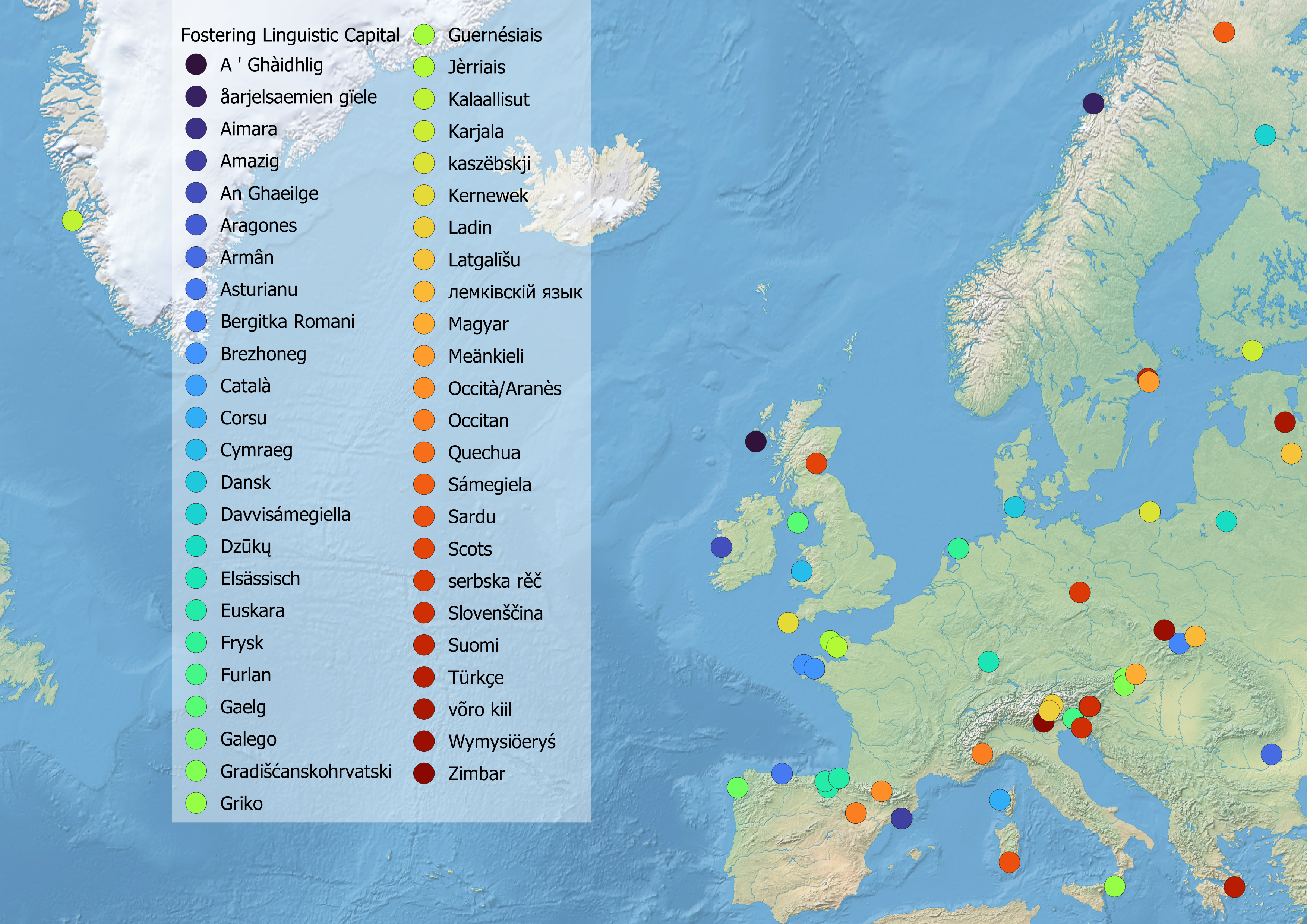
We are happy to announce we have just received a collaborative grant ‘Fostering Linguistic Capital: A Roadmap for Reversing the
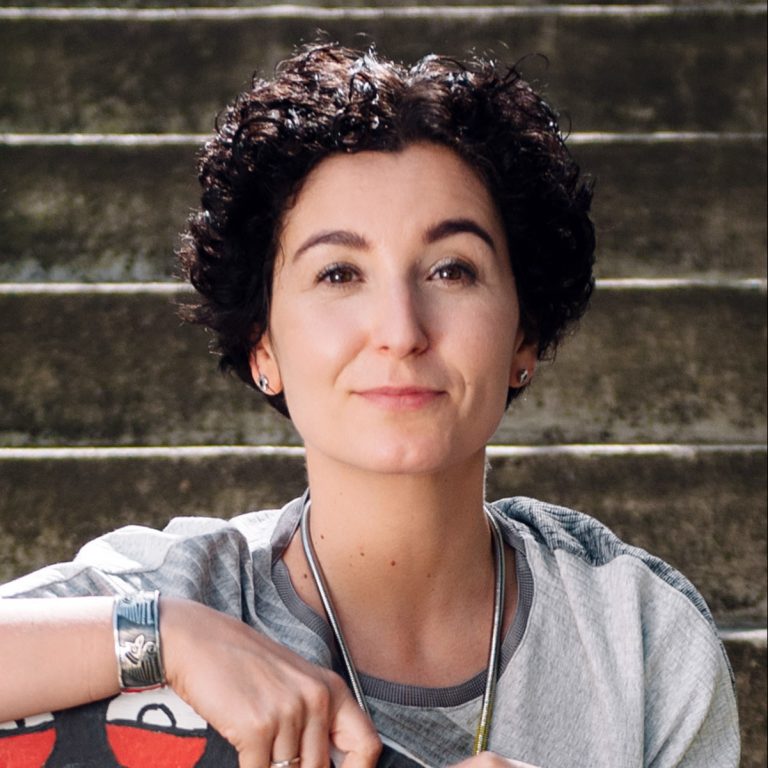
Professor at the Faculty of “Artes Liberales” at the University of Warsaw; director of its Center for Research and Practice in Cultural Continuity; she obtained a doctoral degree in the humanities in 2005 at the UW’s Faculty of History and habilitation in ethnology at Adam Mickiewicz University in Poznań in
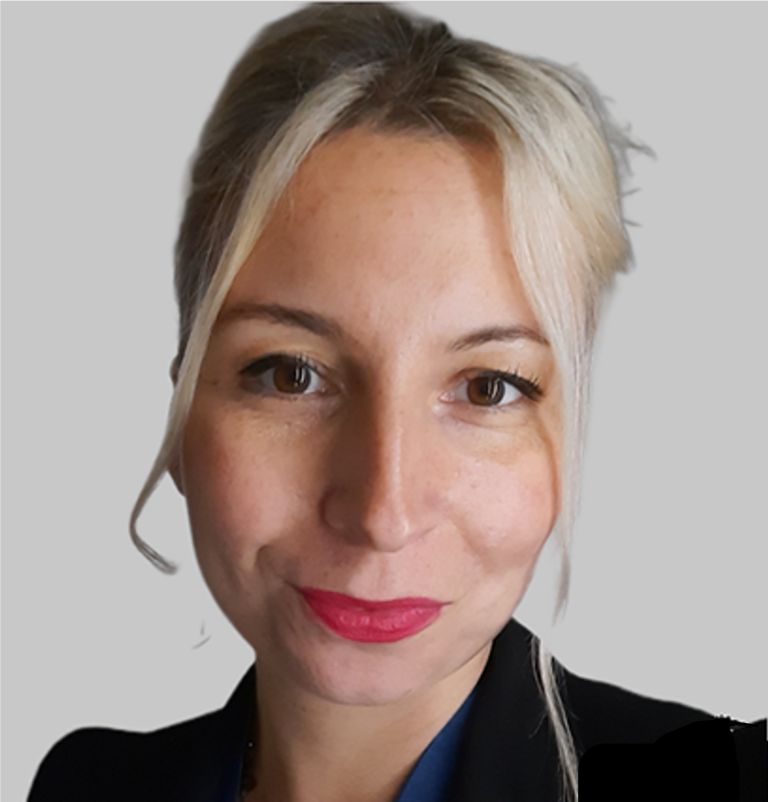
is an Assistant Professor (Polish: Adiunkt) specializing in linguistics. Her main fields of research and academic interests include computational linguistics, language documentation, sociolinguistics and historical linguistics, with a focus on low-resource languages. She was a Post-Doctoral Fellow at the Smithsonian Institution (USA) and at the Max Planck Institute for Geoanthropology
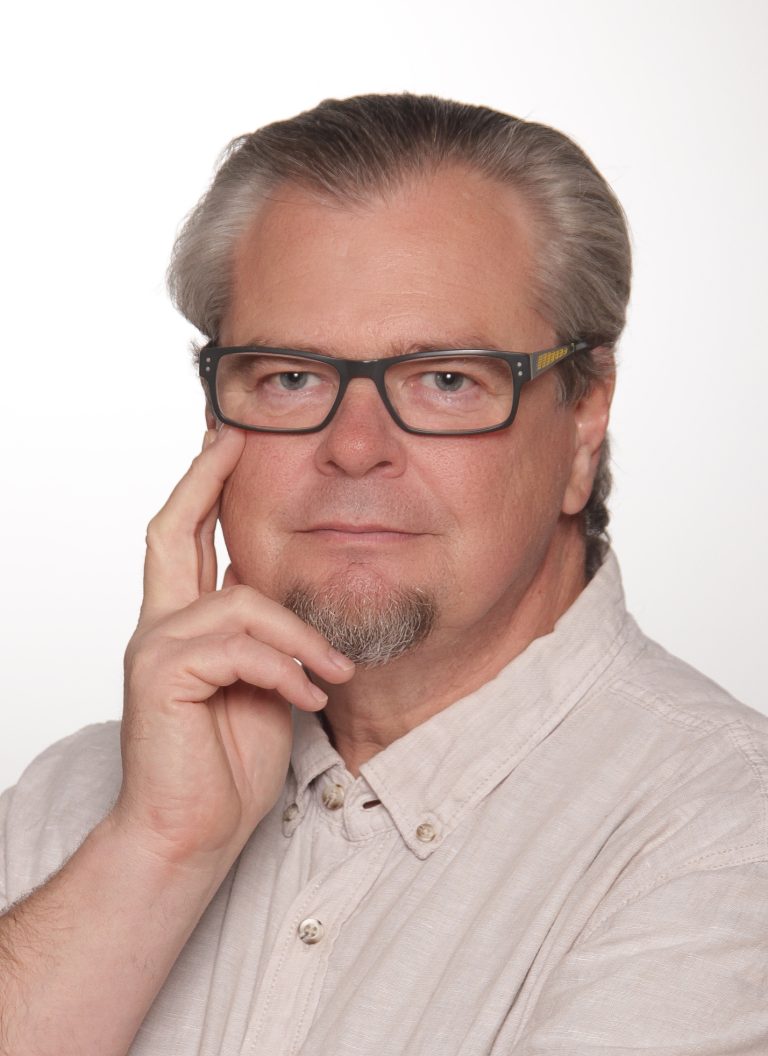
has an MA in history from the University of Gdańsk. He obtained a PhD in linguistics at the University of Silesia in Katowice. Today he is a Kashubian activist, but he has also worked as a journalist and a local government politician. From 2008 to 2012, Jabłoński was the co-chairman
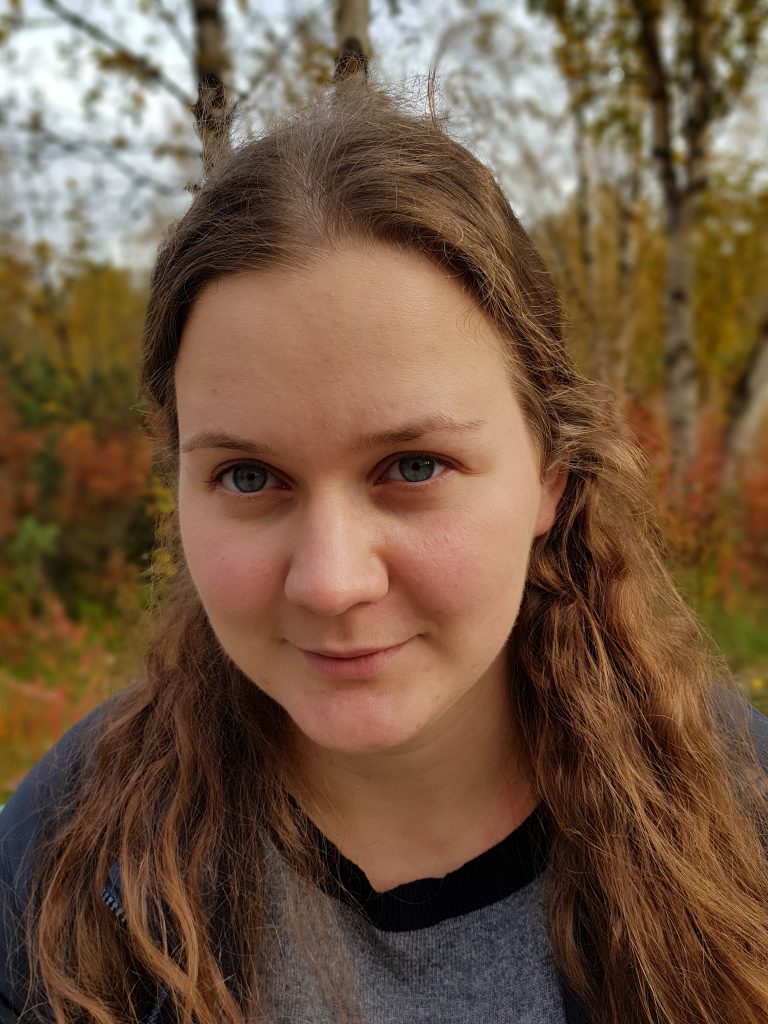
has degrees in Culture Management and Ethnology from the Jagiellonian University in Krakow. She is currently a PhD student at the University of Warsaw’s Faculty of “Artes Liberales”. Since childhood, she has been involved in the revitalization of Wymysiöeryś culture in her hometown of Wilamowice, and now she is the

is an Administrator in the COLING/MSCA RISE and LCure/FNP Team projects, with managerial and financial experience (SGH Warsaw School of Economics). Her role is to plan and organize project events as well as manage day to day communication with partners and the Warsaw University administration.
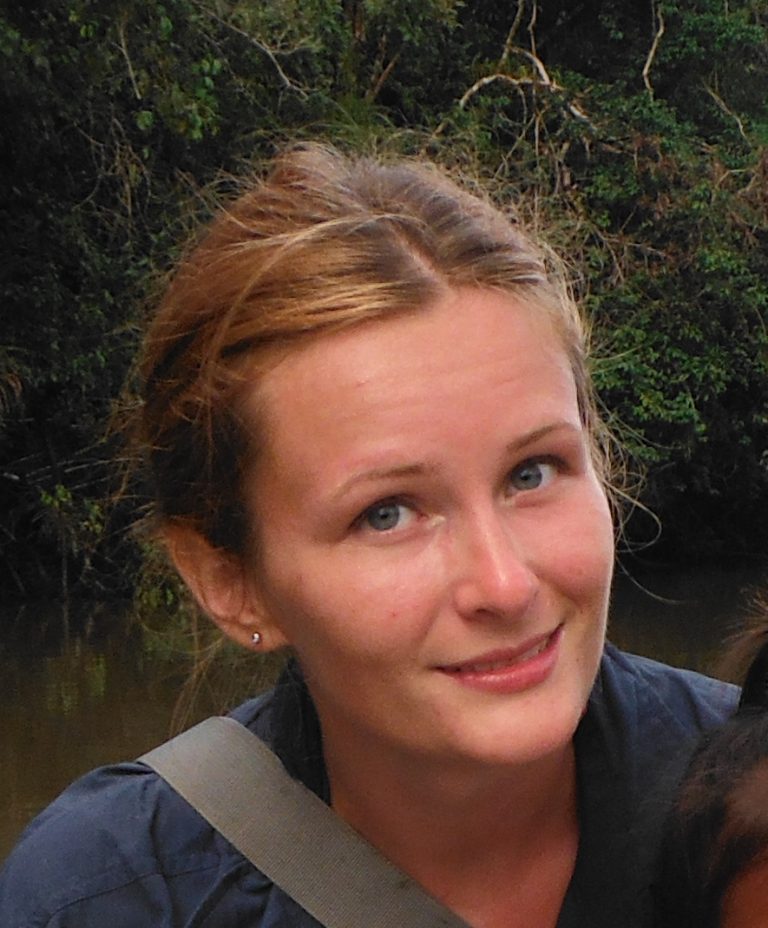
Dr. Katarzyna (Kasia) Wojtylak is an Assistant Professor at the University of Warsaw. She holds a PhD in Anthropological Linguistics from James Cook University, awarded in 2017, and her dissertation, A Grammar of Murui (Bue), was published with Brill in 2020. Her research is grounded in extensive fieldwork conducted between 2010 and 2017 among speakers of Murui, an Indigenous language