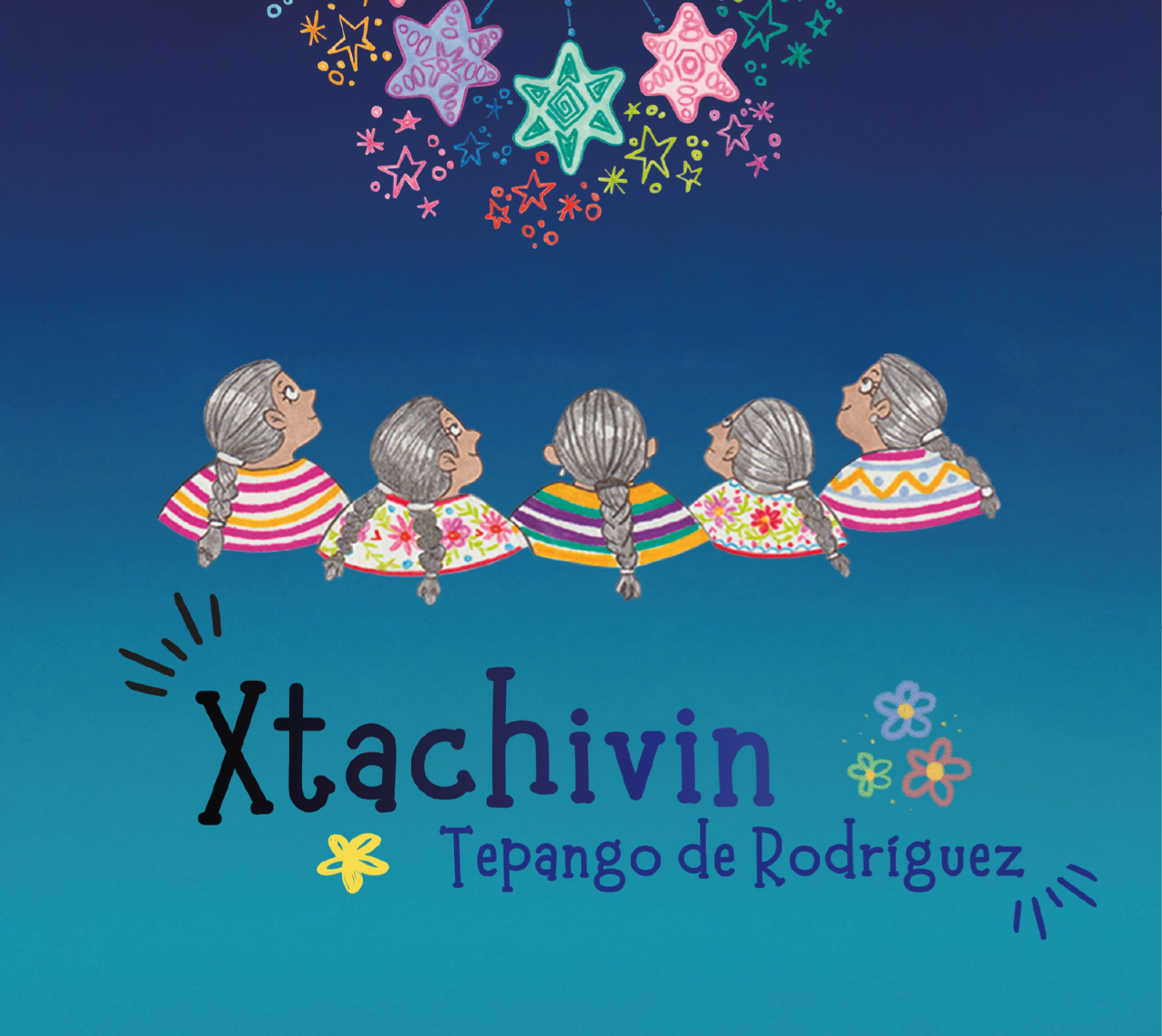
New publication: Xtachivin Tepango de Rodríguez
Traditional stories from the Totonac community Tepango de Rodríguez. © Ti skgovalikgol: Pukgeltavakga Xkilhtsukut xa Lakgskgata Kaman José Clemente Orozco,
The project addresses the complex, multi-level dimensions of historical and contemporary multilingualism:
(1) the presence of individual multilingualism in local and regional settings;
(2) the characteristics and dynamics of such multilingual settings, in other words, societal multilingualism. The fundamental aim of the project is to reconstruct, explain and better understand the mechanisms and causality of the processes behind the emergence, continuity, reduction and loss (as well as possible re-emergence) of multilingualism in differing historical, geographical, social, political and cultural contexts. These goals address not only essential gaps in the state of knowledge, but also significant questions about the past and the present of human development.
The project embraces historical and contemporary multilingual milieux from four regions relevant for understanding the causal frameworks underlying multilingual trajectories: selected historical multilingual hotspots from Central-Eastern Europe, Mesoamerica, South Africa and the Archipelago of Vanuatu. They represent a diversity of pre-colonial, colonial and post-colonial contexts, ensuring a meaningful comparison. The case studies also offer a novel possibility to study the ‘invisibility’ of multilingualism and uncover its neglected history(ies).
A multidisciplinary approach combines in novel ways historical and present data, qualitative and quantitative methods as well as mathematical modeling, data-driven mapping and GIS mapping. Its expected results will provide informed diagnoses and predictions with huge potential for improving existing language policies and educational strategies oriented toward the preservation of linguistic-cultural diversity and sustainable multilingualism.
The project MULTILING-HIST has received funding from the European Research Council (ERC) under the European Union’s Horizon 2020 research and innovation programme (Grant agreement No. 101002696)
https://cordis.europa.eu/project/id/101002696
https://www.uw.edu.pl/erc-consolidator-grant-dla-dr-hab-justyny-olko/
https://en.uw.edu.pl/second-erc-grant-awarded-to-professor-justyna-olko/
Traditional stories from the Totonac community Tepango de Rodríguez. © Ti skgovalikgol: Pukgeltavakga Xkilhtsukut xa Lakgskgata Kaman José Clemente Orozco,
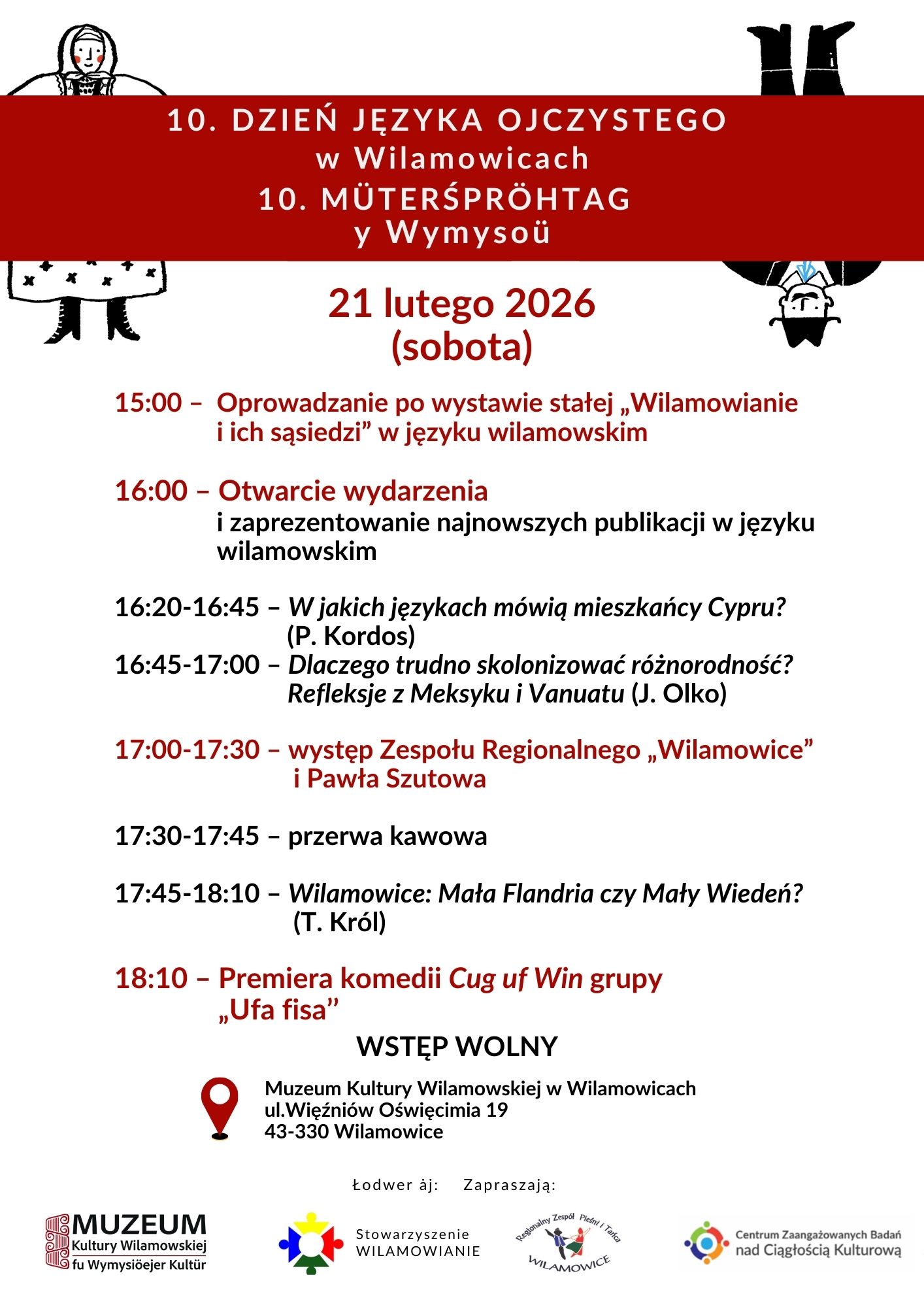
W imieniu społeczności wilamowskiej serdecznie zapraszamy na 10. Dzień Języka Ojczystego w Wilamowicach!
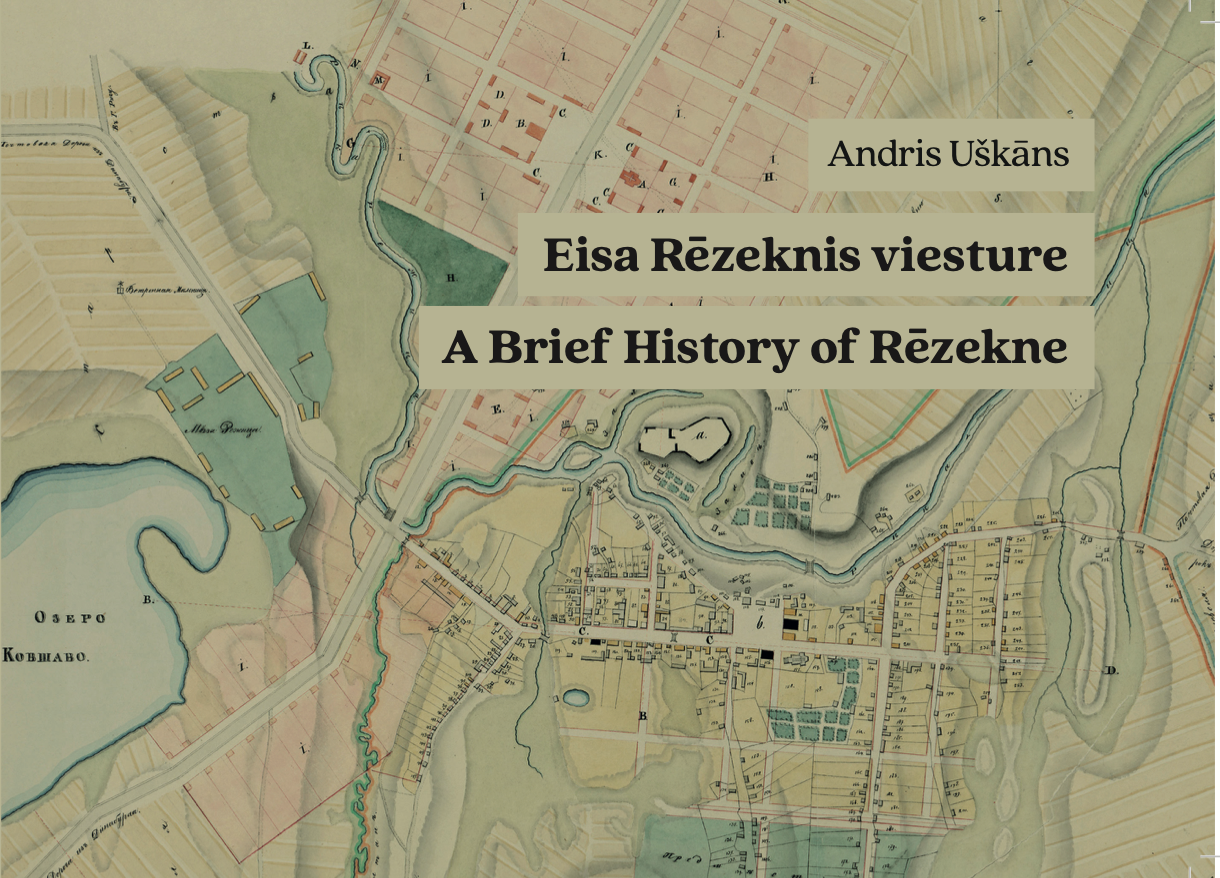
Nowa Publikacja pt. “Eisa Rēzeknis viesture, A Brief History of Rēzekne”, to dwujęzyczna latgalsko-angielska książka autorstwa Andrisa Uškānsa. Jest to
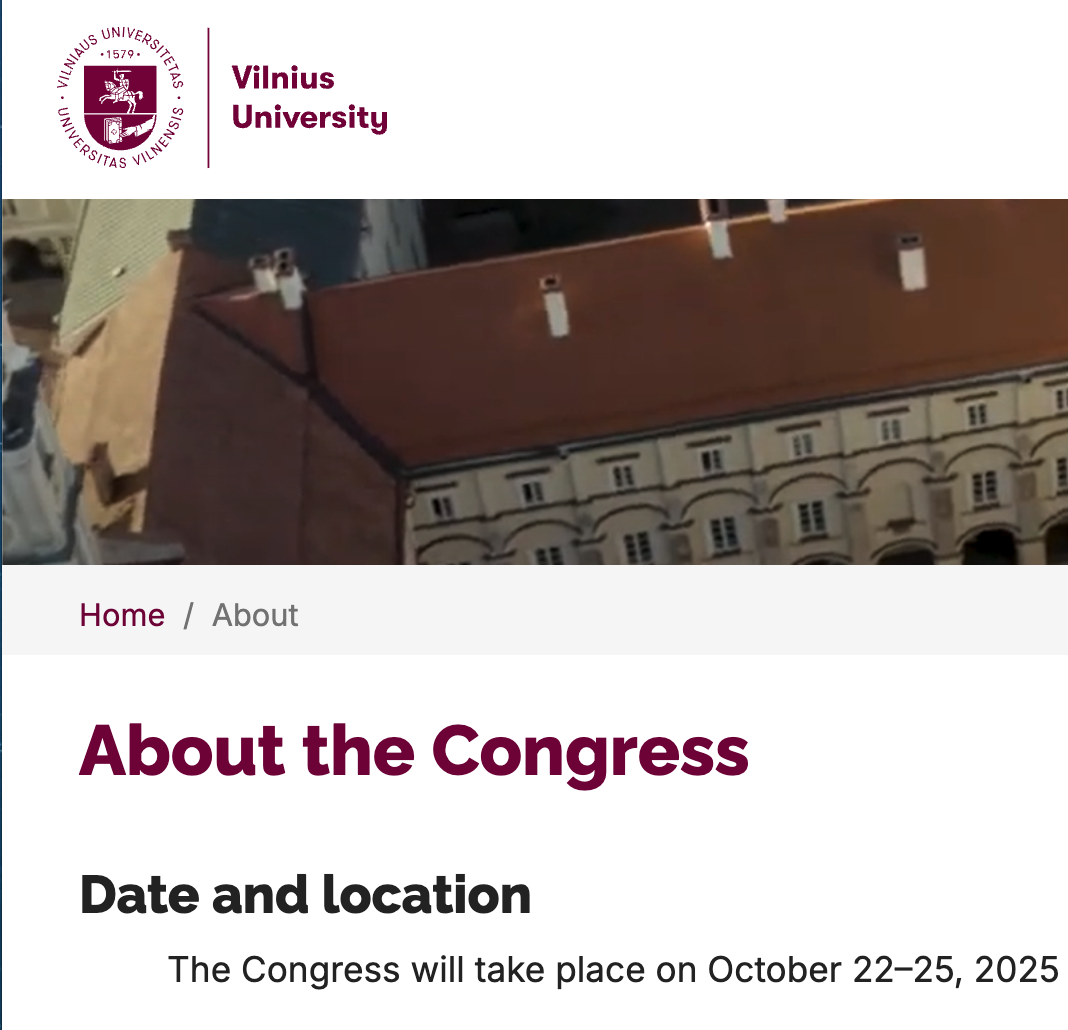
W dniach 22-25 października Uniwersytet Wileński był gospodarzem najważniejszego wydarzenia naukowego poświęconego językom bałtyckim, czyli organizowanego co 5 lat Międzynarodowego
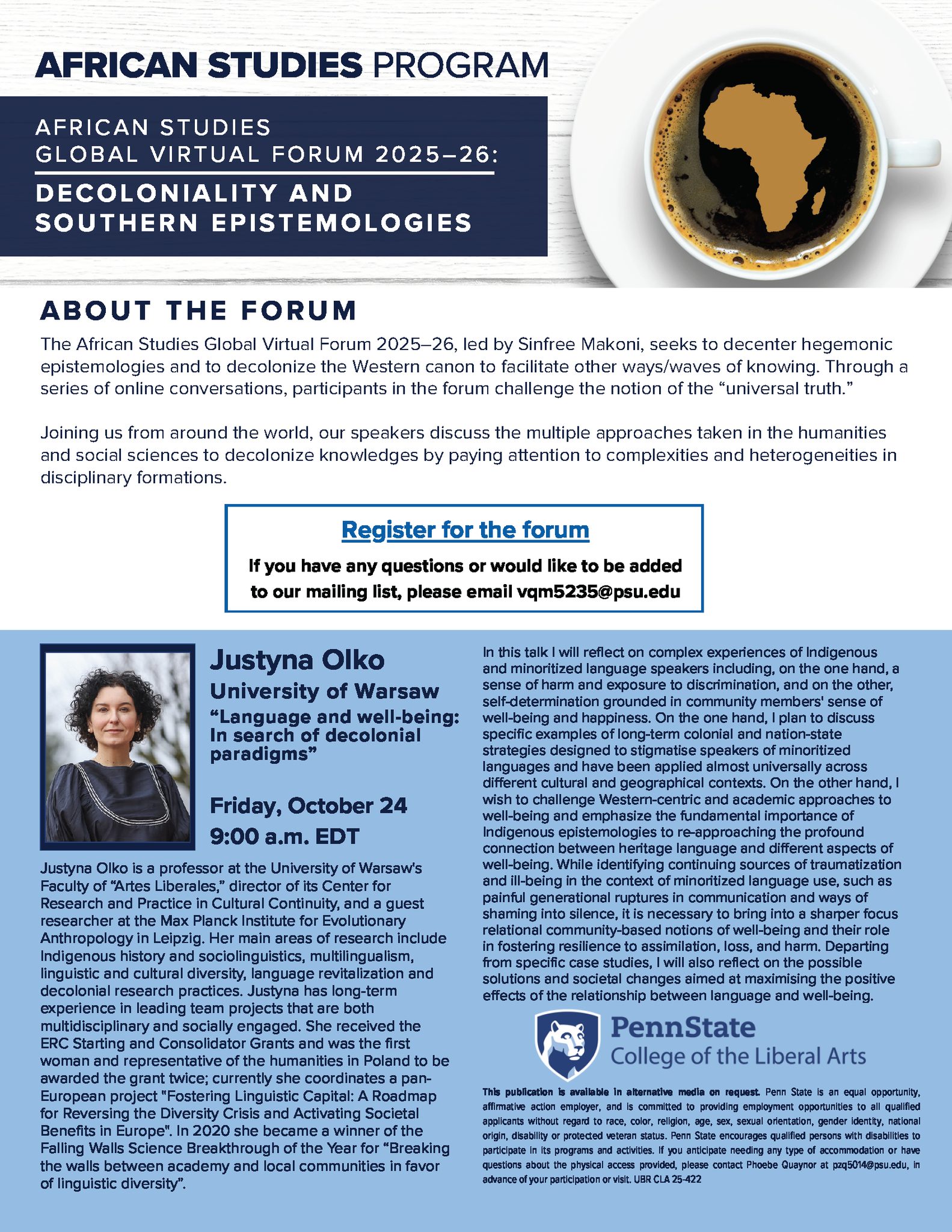
Justyna Olko will have an opportunity to share our team research on the relationships between speaking heritage languages and different
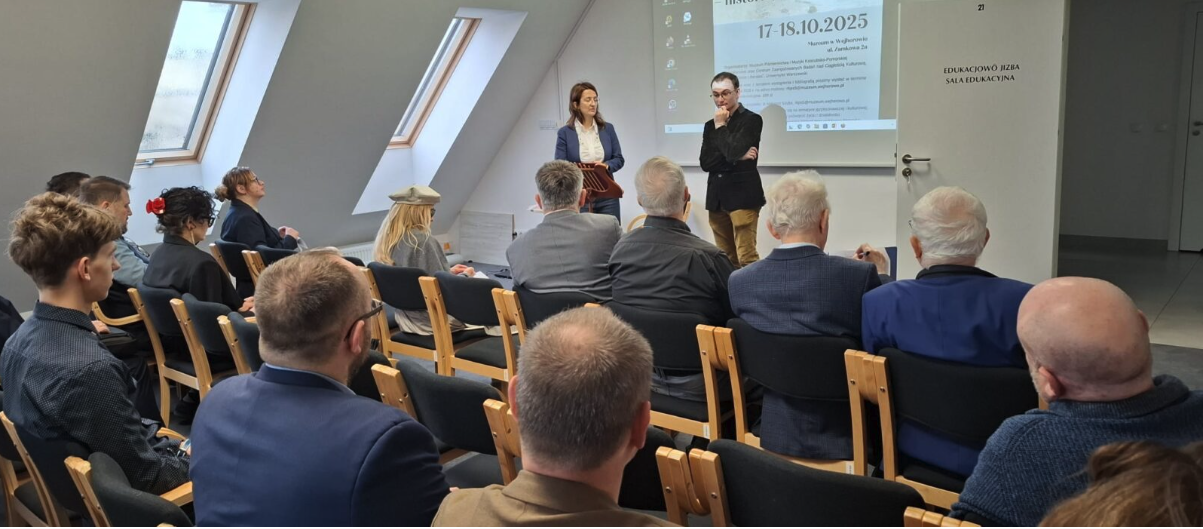
Prezentując wyniki badań dotyczących przekazu międzypokoleniowego i użycia języka kaszubskiego Justyna Olko, Bartłomiej Chromik, Artur Jabłoński i Brunon Ceszke z
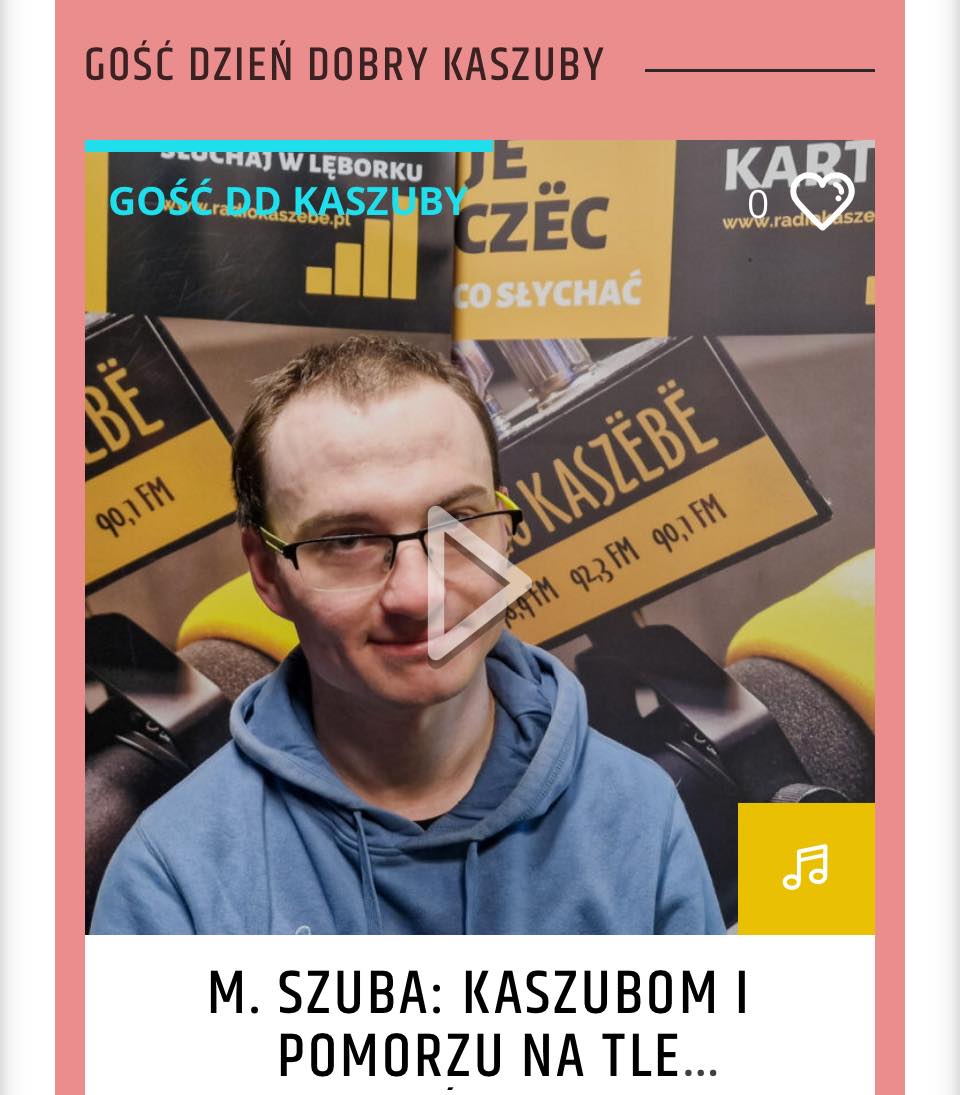
“Nowe perspektywy badawcze” – tak zapowiada konferencję w Wejherowie Mateusz Szuba z Muzeum Piśmiennictwa i Muzyki Kaszubsko-Pomorskiej, z którym Centrum
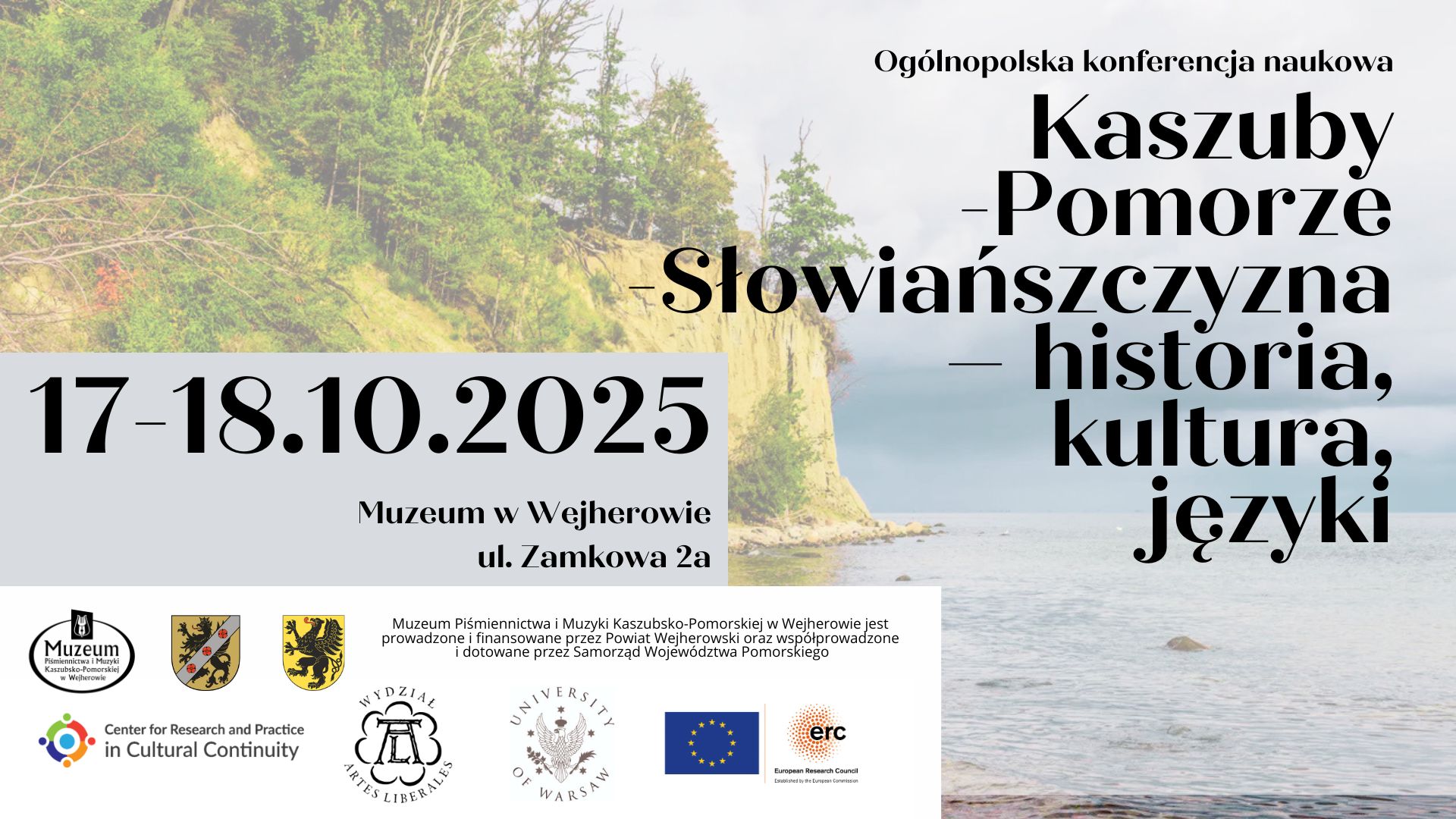
Muzeum Piśmiennictwa i Muzyki Kaszubsko-Pomorskiej w Wejherowie oraz nasze Centrum Zaangażowanych Badań nad Ciągłością Kulturową, Wydział “Artes Liberales”, Uniwersytet Warszawski
Dołącz do lektoratu, który od podstaw nauczy Cię języka kaszubskiego i wprowadzi w świat kultury oraz literatury Kaszubów. Poznaj fascynującą
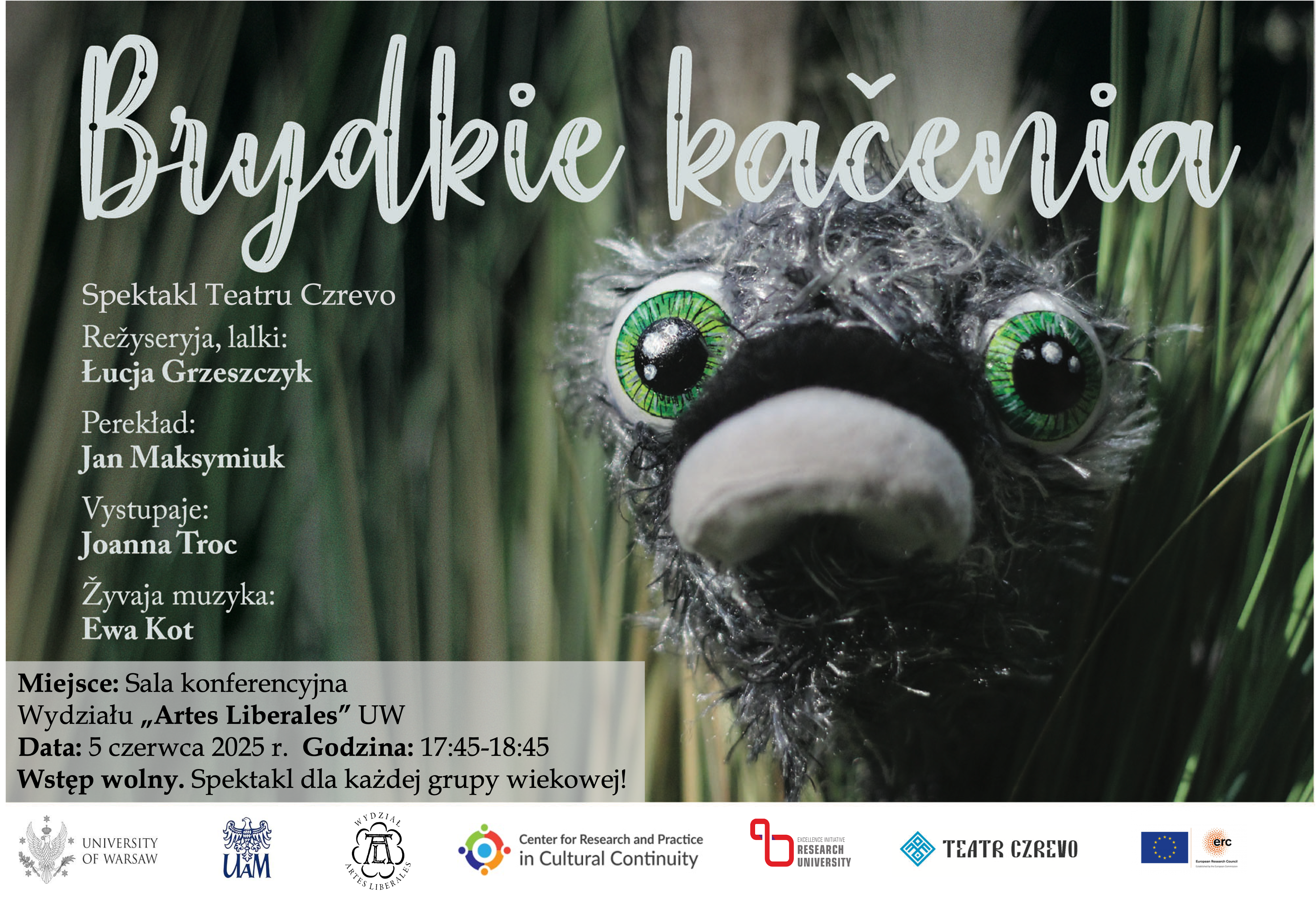
We would like to warmly invite you to the conference “On the side of agency – how to affirm linguistic
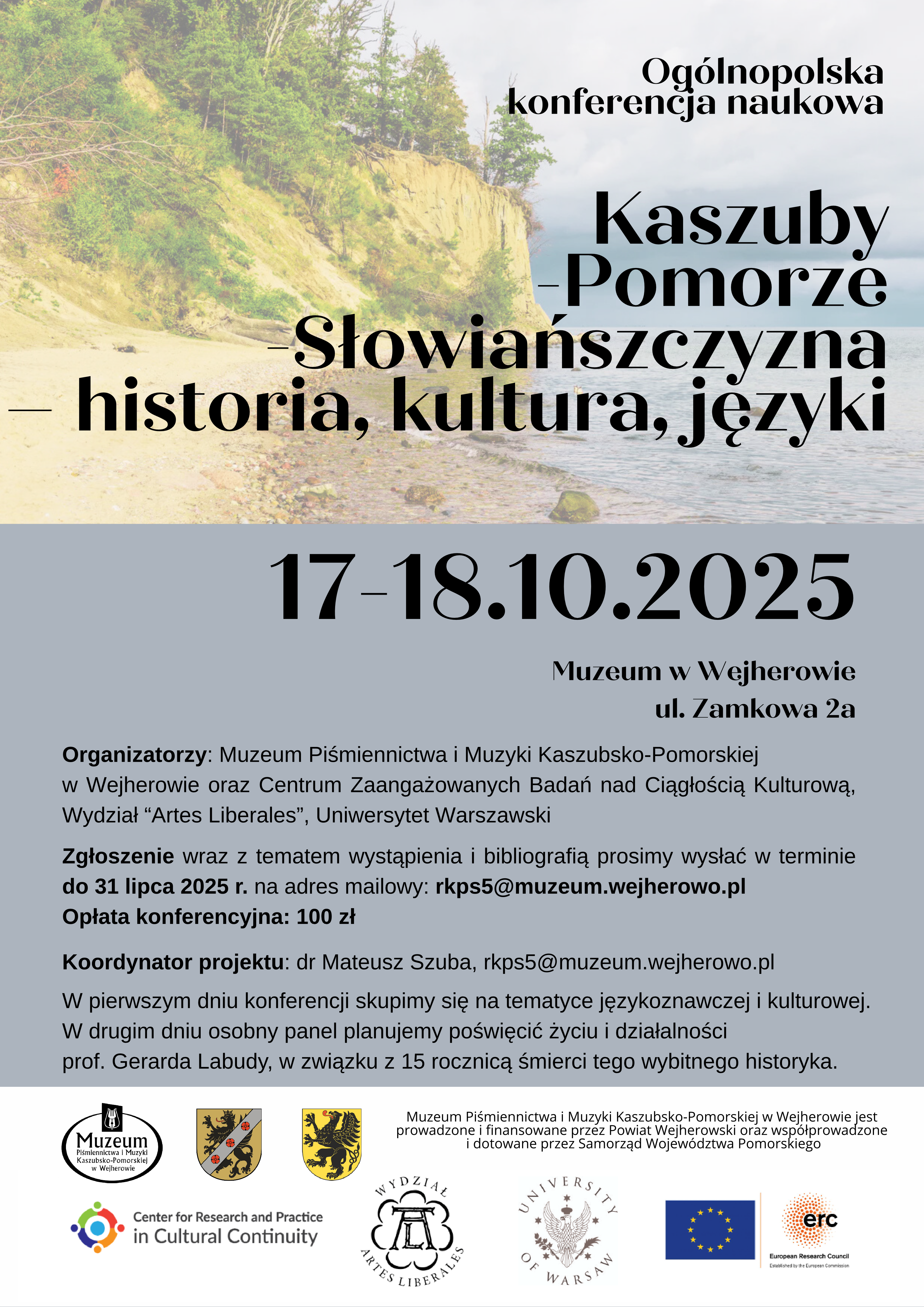
Zapraszamy do udziału we współorganizowanej z Muzeum Piśmiennictwa i Muzyki Kaszubsko-Pomorskiej w Wejherowie ogólnopolskiej konferencji naukowej pt.
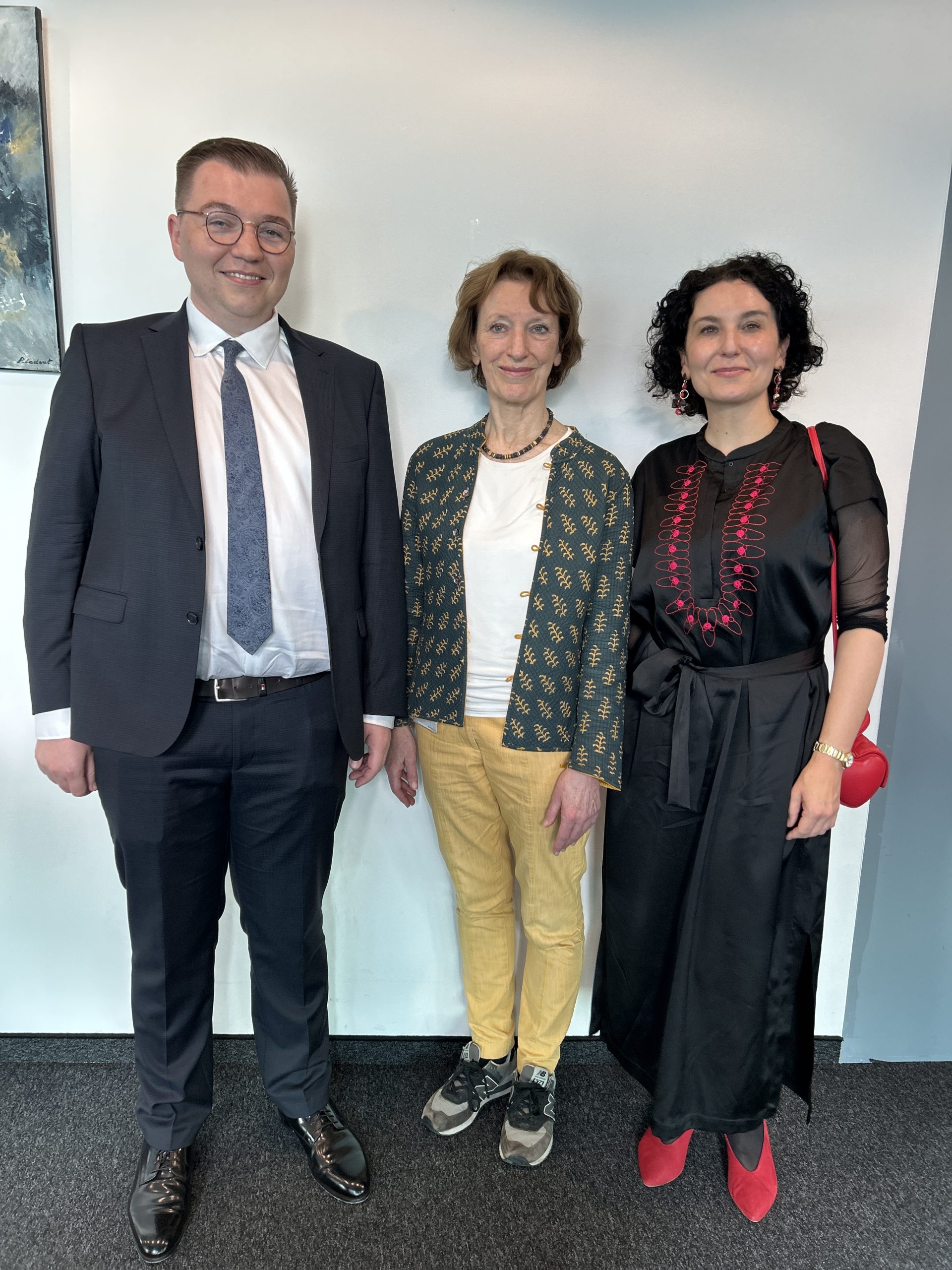
Prof. Maria Leptin, prezydentka ERC oficjalnie zainaugurowała w dniu 28.04.2025 program „Ambasadorowie ERBN”. Na ambasadorkę konkurencyjną w Polsce została wybrana
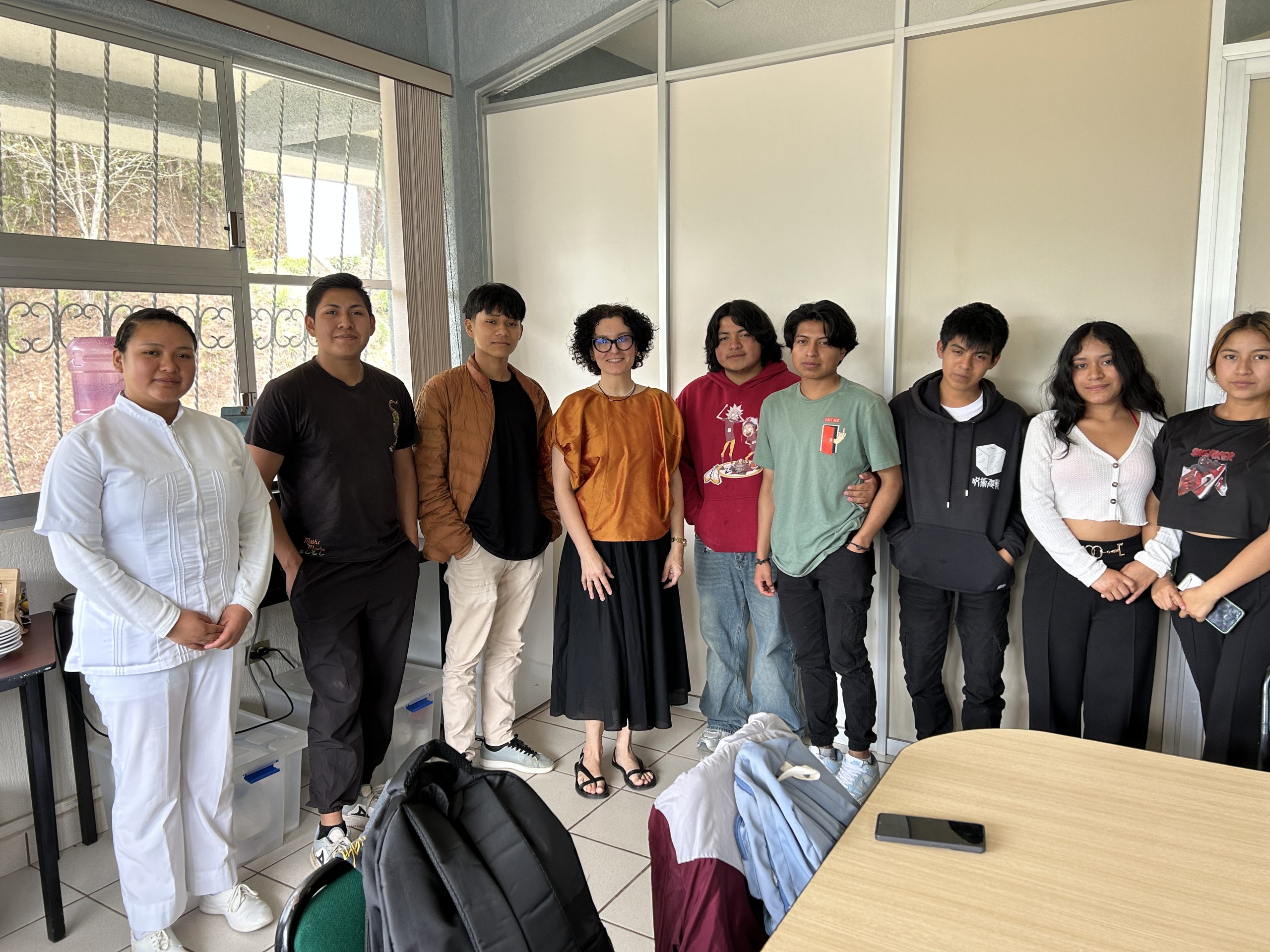
Cuacualtzen tiquitl itich nahuatlahcueloliztli ihuan nahuatlapohualiztli axxan oticchiuhqueh zancihca! Today at the Universidad Interserrana del Estado de Puebla in Ahuacatlan

Dziś świętujemy Dzień Języka Ojczystego. Zachęcamy do lektury wywiadu z prof. Justyna Olko dla Polskiej Agencji Prasowej: „Każdy język, z

Centrum Zaangażowanych Badań nad Ciągłością Kulturową serdecznie zaprasza na promocję książki „Dzieje Kaszubów / Dzeje Kaszëbów” autorstwa dr. Michała Hinca
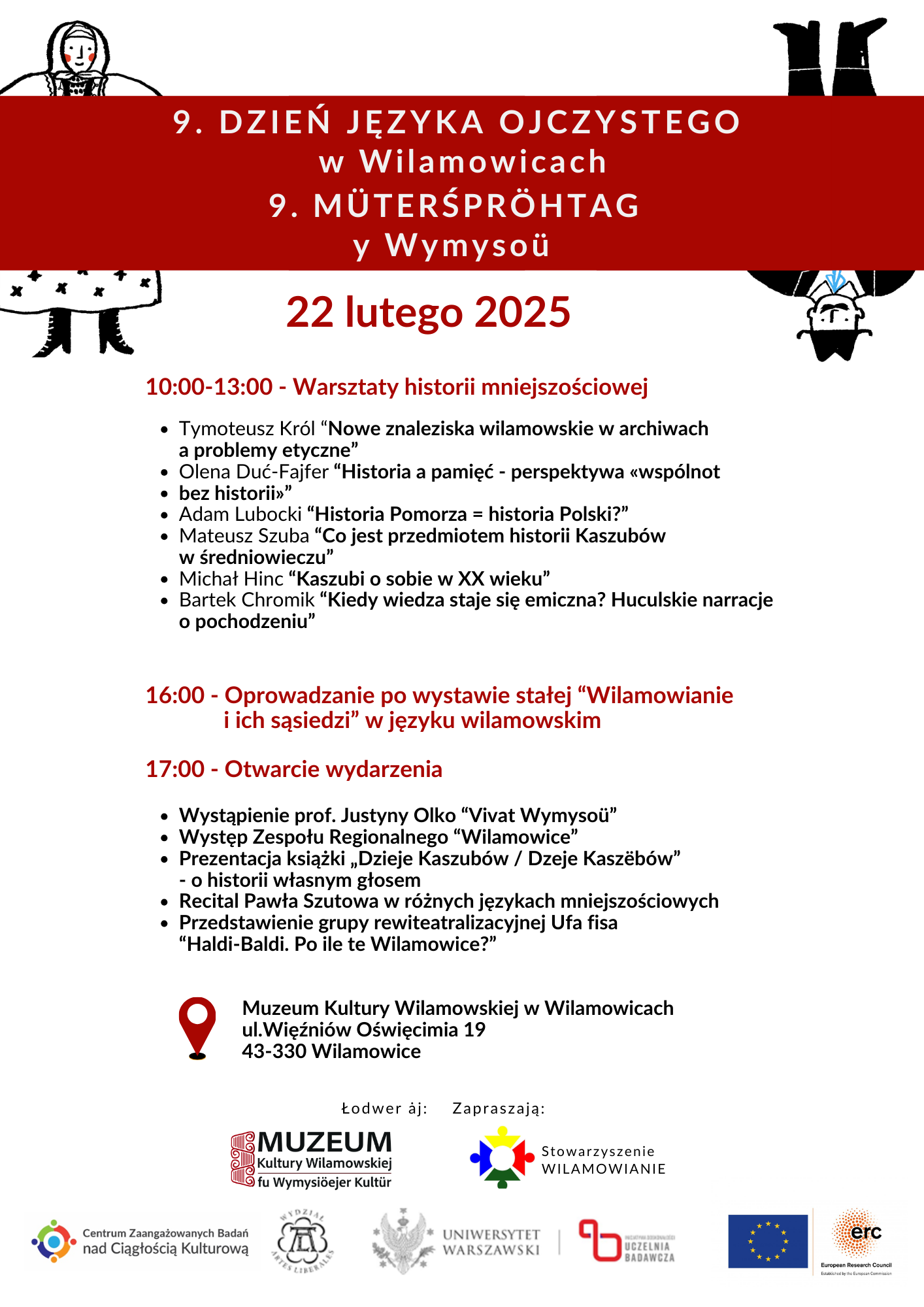
W dniu 22.02.2025 r. zapraszamy na obchody Dnia Języka Ojczystego w Muzeum Kultury Wilamowskiej w Wilamowicach, w ramach których odbędą
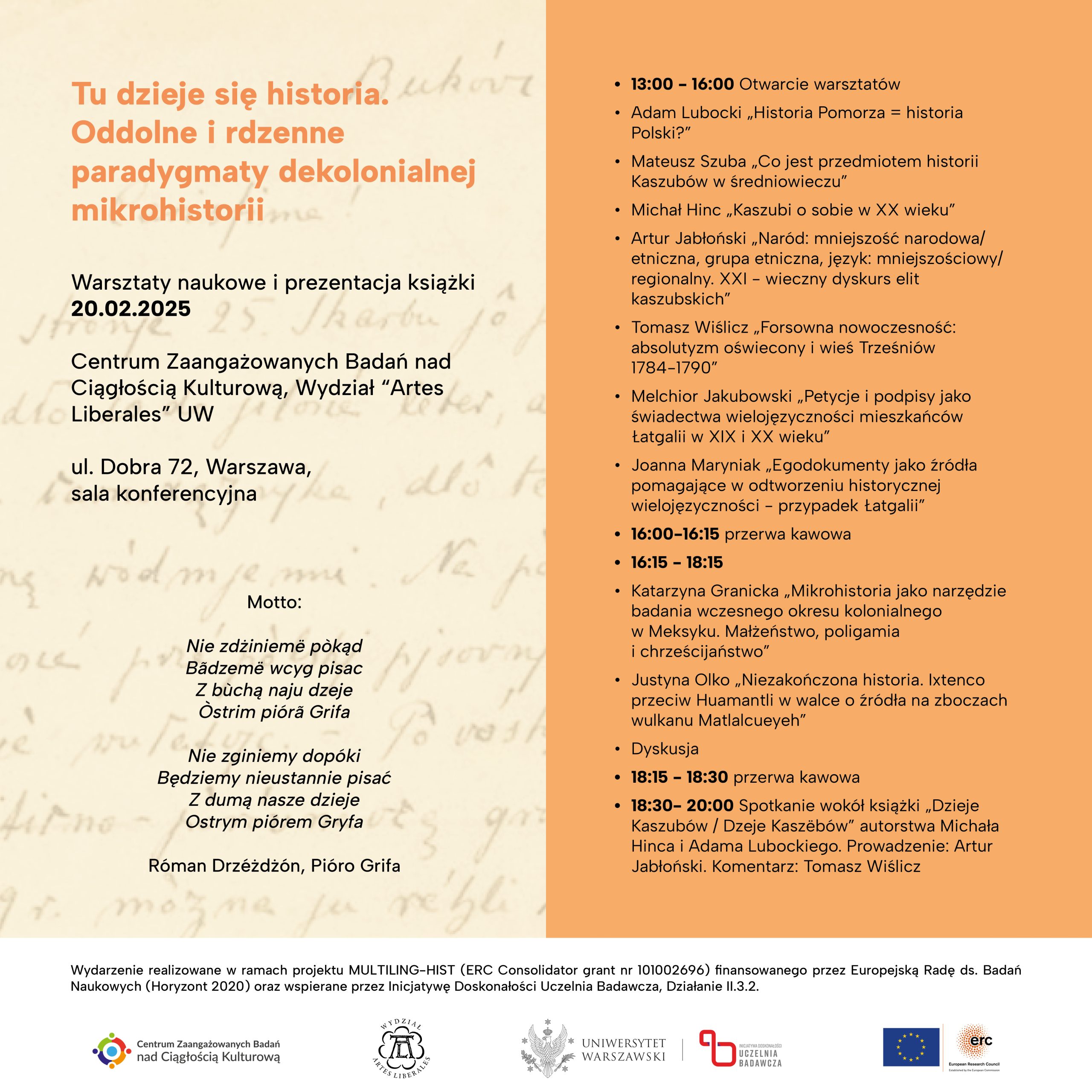
Centrum Zaangażowanych Badań nad Ciągłością Kulturową serdecznie zaprasza na warsztaty: Tu dzieje się historia. Oddolne i rdzenne paradygmaty dekolonialnej mikrohistorii wydarzenie

Dictionary with pictures in the Nahuatl and Tének languages: Kamanalixkopinkayotl tlen nauatlajtoli uan koxtekatlajtoli (Huasteca Potosina) / Lejkixkáw k’al i t’iplab, ti dhakchám ani ti Tének kawintaláb (Huasteca Potosina) The Nahuatl-Tének dictionary with
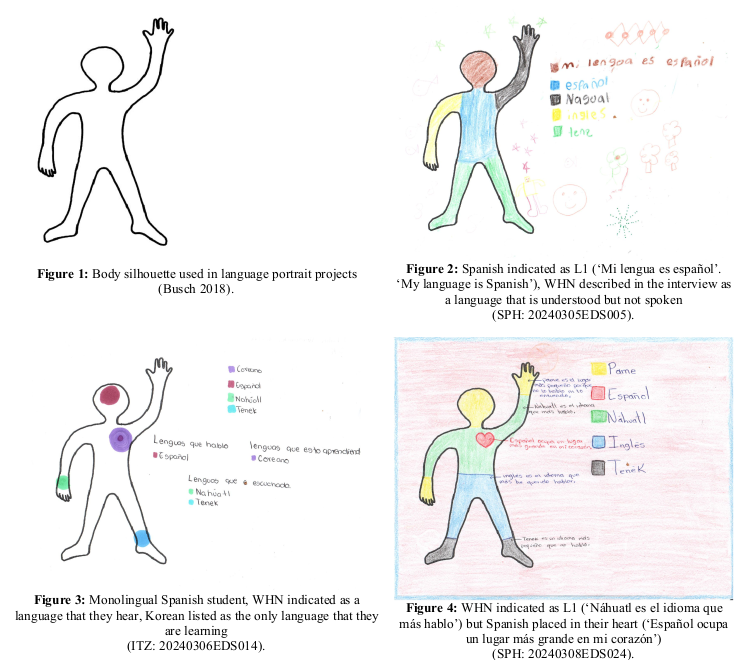
The results of our study of contemporary multilingualism in the Huasteca Potosina in Mexico were presented at the LSA (Linguistic
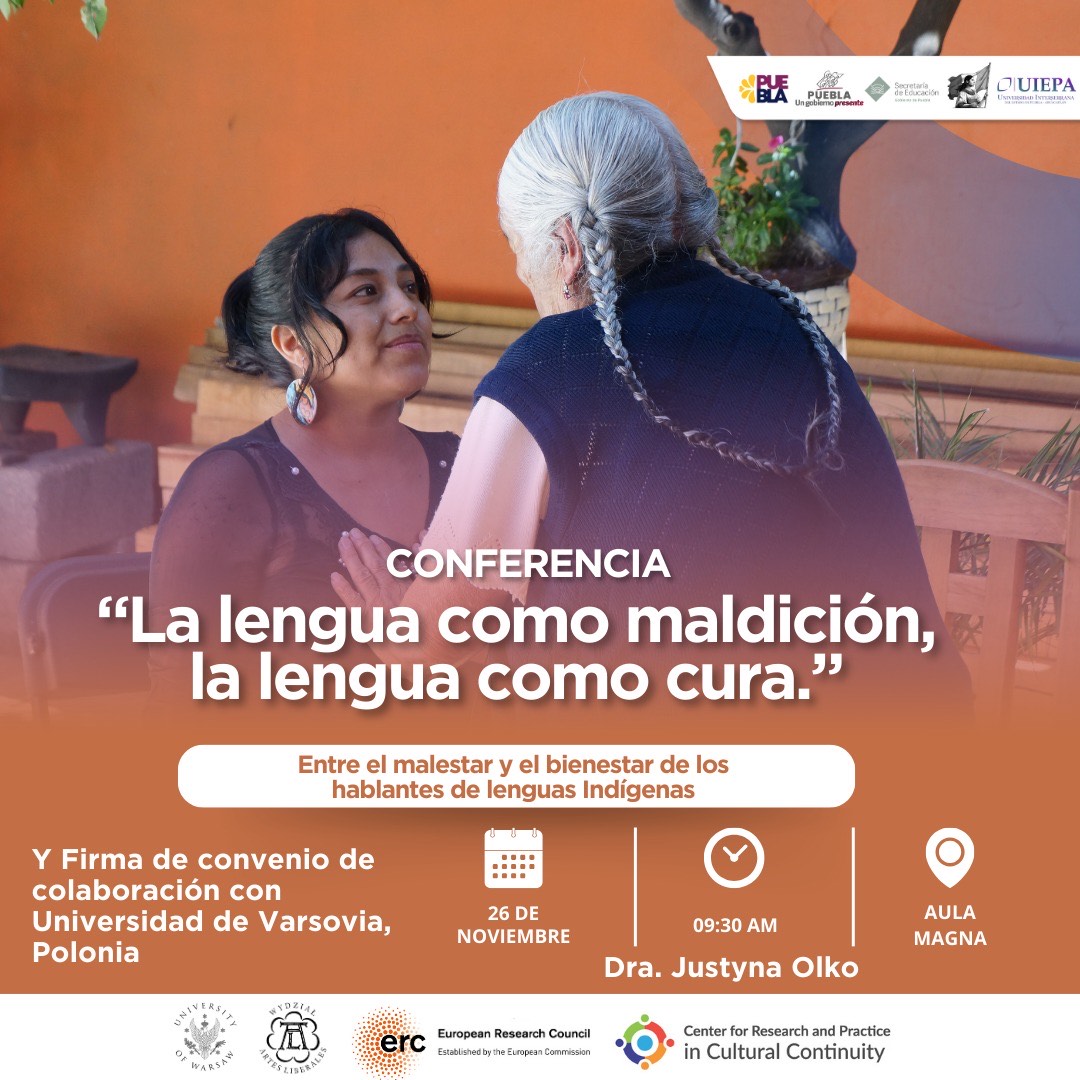
Today at the Universidad Interserrana del Estado de Puebla en Ahuacatlán (UIEPA) Prof. Justyna Olko (on behalf of the University
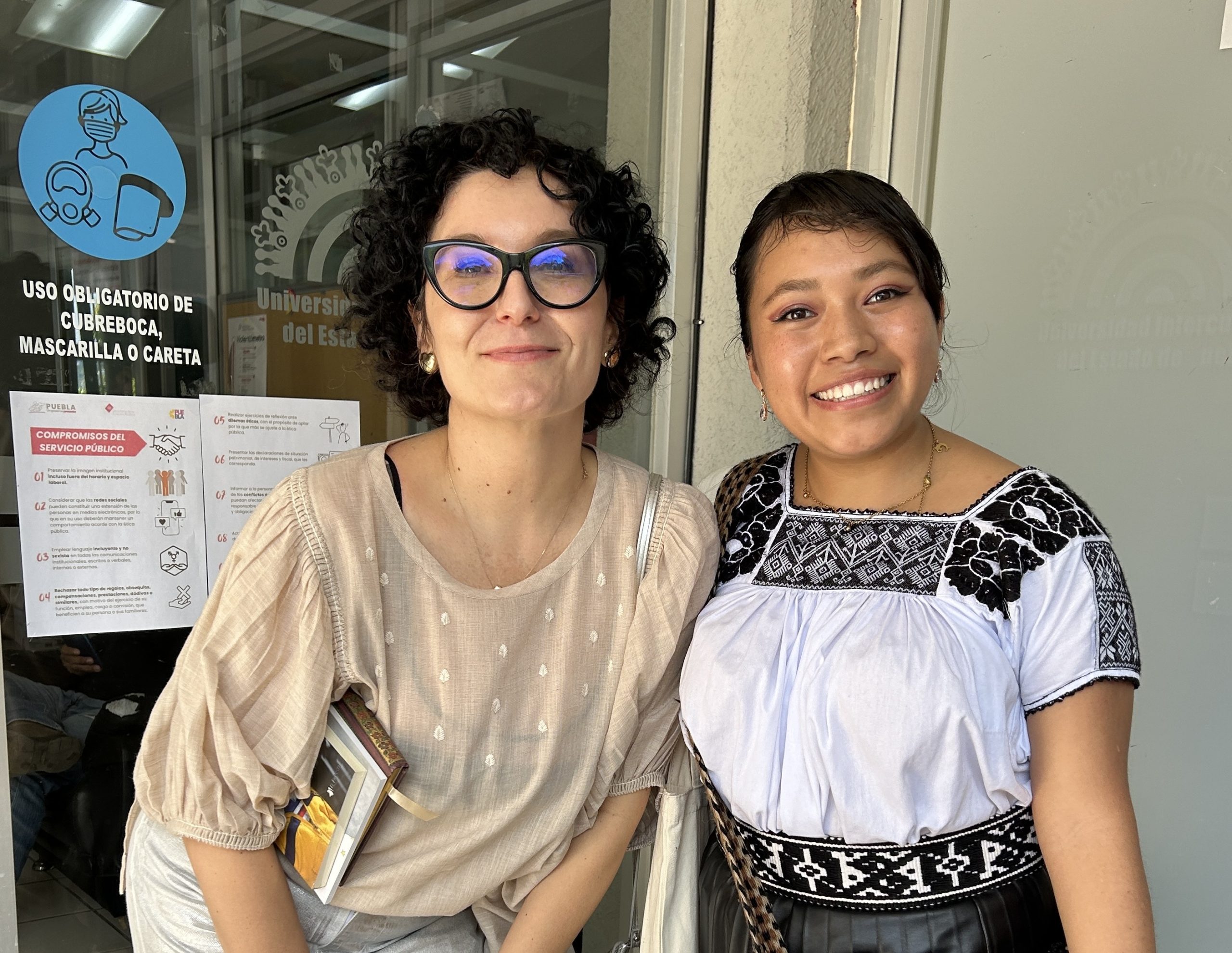
Kitalamakgamakgtayalh Valentina Sánchez Victor, yuma jmasiu kitaskujutka xpalakata xa makgan tachiwin nakg Ahuacatlan chu Tepango de Rodríguez nakg tutunaku, español
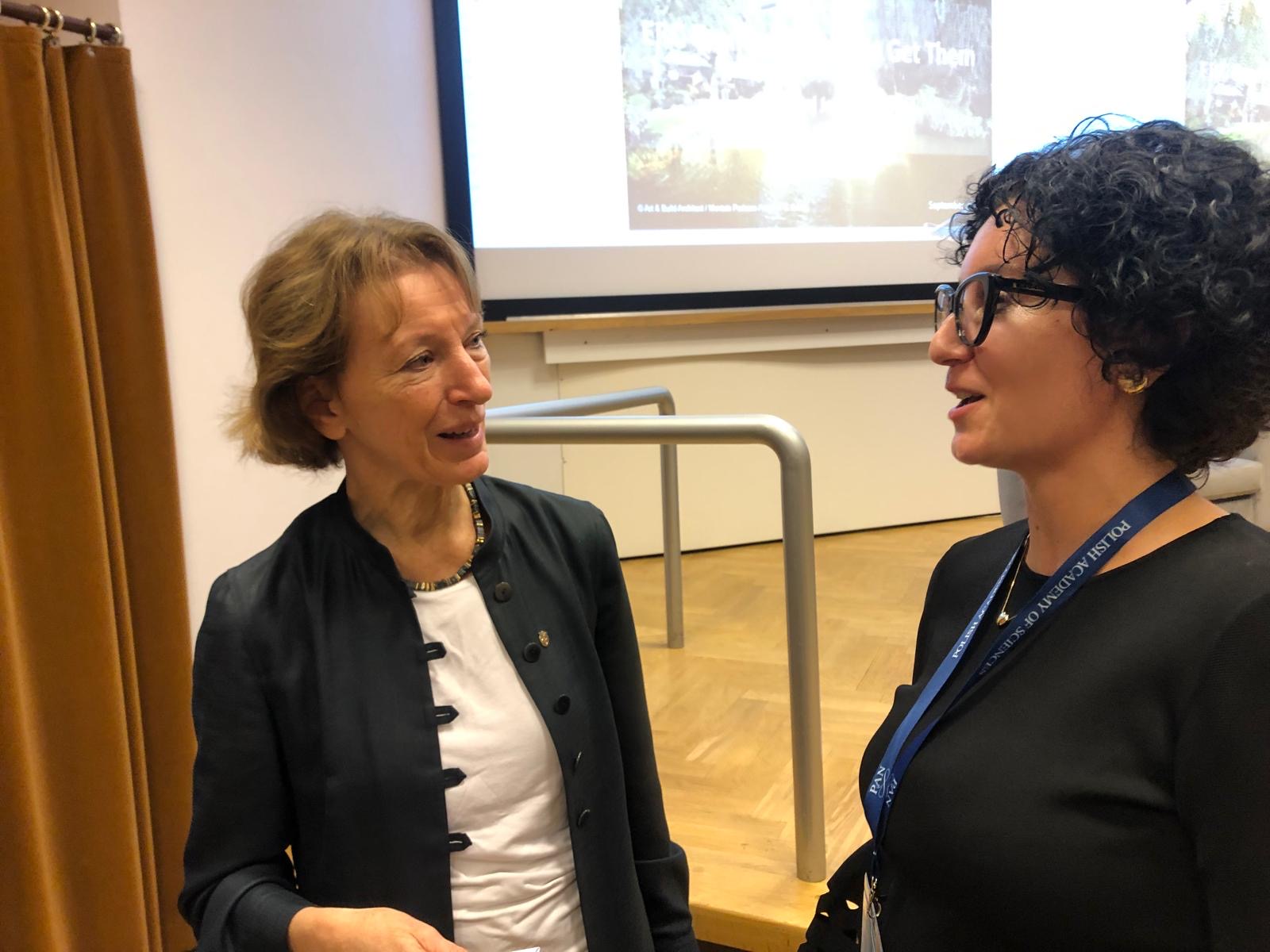
Prof. Justyna Olko wzięła udział w debacie z Przewodniczącą ERC prof. Marią Leptin ramach wydarzenia “Focus on Frontier Research with
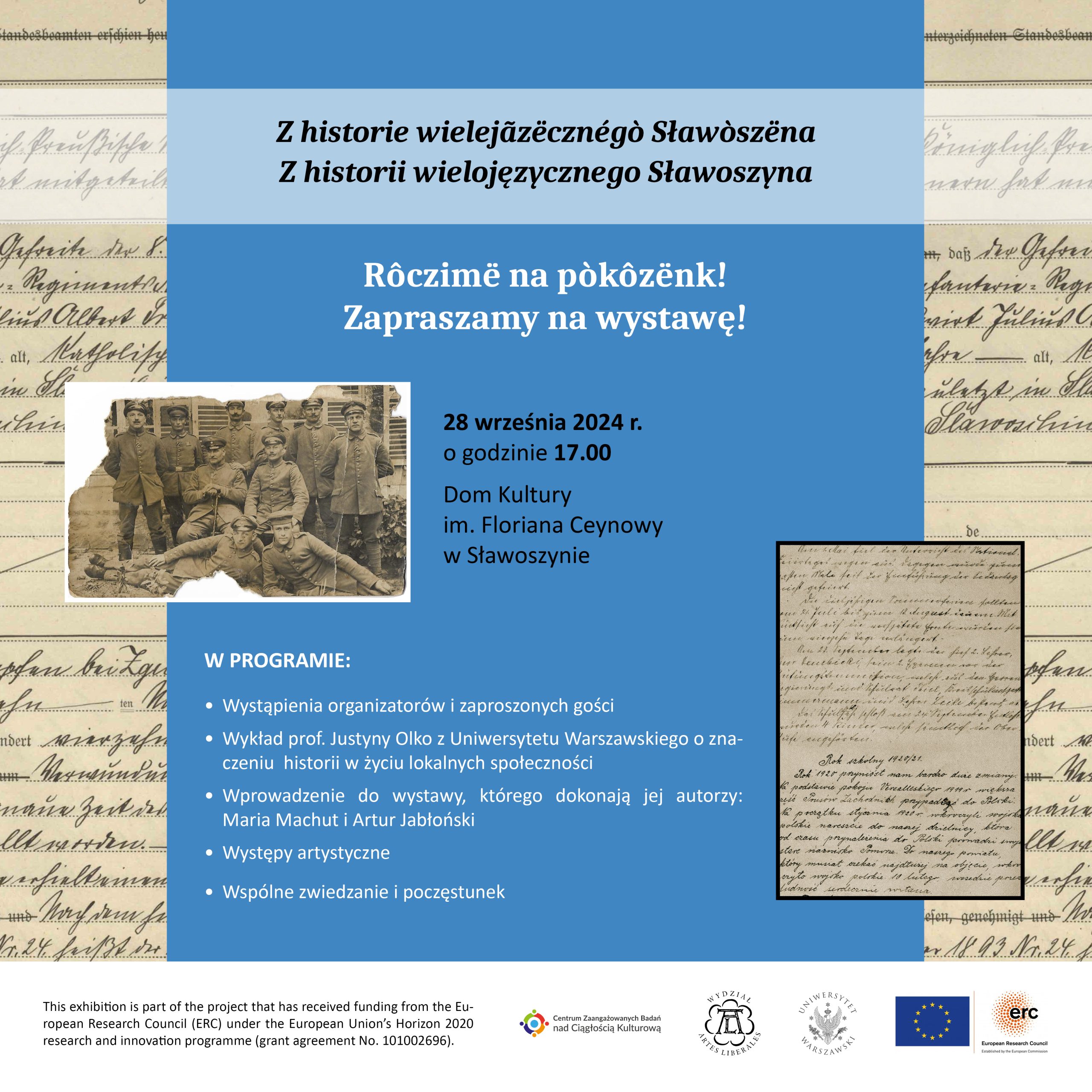
Rôczomë! / Zapraszamy! Wystawa złożona z 16 tablic pod wspólnym tytułem „Z historii wielojęzycznego Sławoszyna” powstała w ramach współpracy społeczności
Professor at the Faculty of “Artes Liberales” at the University of Warsaw; director of its Center for Research and Practice in Cultural Continuity; she obtained a doctoral degree in the humanities in 2005 at the UW’s Faculty of History and habilitation in ethnology at Adam Mickiewicz University in Poznań in

has degrees in Quantitative Methods in Economics and Information Systems from the Warsaw School of Economics and in Ethnology from the University of Warsaw. He obtained his Ph.D. from the University of Warsaw’s Faculty of “Artes Liberales”, with the dissertation, “Micro- and macro linguistic ideologies. The case of Wilamowice”. He

has an undergraduate degree (1999) and a Ph.D. (2004) in Lithuanian Philology from the Adam Mickiewicz University’s Faculty of Modern Languages and Literature. He specializes in Lithuanian dialectology, Baltic language translation studies, and legal linguistics. He is the author of several articles as well as teaching materials for Lithuanian. He
has a PhD in Linguistics from the University of Warsaw (2022) and an M.A. degree in Linguistics and Ibero-American Studies from the Hebrew University of Jerusalem (2015). His doctoral dissertation, “Using and Expanding the Use of the Nahuatl Language in Health Care”, is based on an ongoing participatory action research

has an MA in history from the University of Gdańsk. He obtained a PhD in linguistics at the University of Silesia in Katowice. Today he is a Kashubian activist, but he has also worked as a journalist and a local government politician. From 2008 to 2012, Jabłoński was the co-chairman
has degrees in Culture Management and Ethnology from the Jagiellonian University in Krakow. She is currently a PhD student at the University of Warsaw’s Faculty of “Artes Liberales”. Since childhood, she has been involved in the revitalization of Wymysiöeryś culture in her hometown of Wilamowice, and now she is the
has a BA in French Philology and Classics from the University of Łódź and an MA in Liberal Arts from the University of Warsaw. She has co-authored three pictorial dictionaries of Modern Nahuatl – with more forthcoming – and has co-translated The Little Prince into Wymysorys. She is employed full time

is an Administrator in the COLING/MSCA RISE and LCure/FNP Team projects, with managerial and financial experience (SGH Warsaw School of Economics). Her role is to plan and organize project events as well as manage day to day communication with partners and the Warsaw University administration.
Has a PhD in Linguistics from the University of Warsaw, an MA in Ethnolinguistics from Adam Mickiewicz University in Poznań and an MA in Language Documentation and Description from SOAS, University of London. Her doctoral dissertation was on Nahuatl and Tének, two indigenous languages of the Huasteca Potosina in Mexico,
has degrees in history and art history from the University of Warsaw. In 2020, he defended his PhD dissertation, “Religious and Ethnic Landscape of the Bukovina, Latgale, and the Suwałki Region at the Turn of the Eighteenth Century: State and Church Institutions Facing Local Communities,” in the University of Warsaw’s
Traditional stories from the Totonac community Tepango de Rodríguez. © Ti skgovalikgol: Pukgeltavakga Xkilhtsukut xa Lakgskgata Kaman José Clemente Orozco, Pukgeltavakga Telesecundaria Miguel Ramos Arizpe
“Eisa Rēzeknis viesture. A Brief History of Rēzekne” The Latgalian-English book by Andris Uškāns aims to provide a concise historical overview of Rēzekne, focusing primarily
Dictionary with pictures in the Nahuatl and Tének languages: Kamanalixkopinkayotl tlen nauatlajtoli uan koxtekatlajtoli (Huasteca Potosina) / Lejkixkáw k’al i t’iplab, ti dhakchám ani ti Tének kawintaláb (Huasteca Potosina) The Nahuatl-Tének dictionary with pictures is the result of

Hidden Thoughts The debut book of poetry of the Silesian poet Karol Gwóźdź, whose poems amaze the readers with their maturity and transfer them to

This trilingual Totonac-Nahuatl-Spanish collaborative book of traditional food recipies was created by teachers of the Totonac kindergarden in Tepango de Rodríguez, Puebla, along with children’s